
Izumo City
Photo by SHOKO TAKAYASUDuring the month of the gods, gods from all over the country gathered at Izumo Taisha Shrine.
After the "Divine Counseling" meeting, which connects various connections,
A sacred banquet called "Naokai" was held at Mankyusen Shrine.
It is said that he departs with the hope of reuniting with his beloved.
Izumo is a place where the story of the origins of Japan, including sumo, is passed down, and it is home to the largest group of royal tombs from the Yayoi period and 358 tombs.
A place where the discovery of bronze swords leaves traces of ancient power.
It is also a place where visitors have formed important bonds.
Access from Osaka
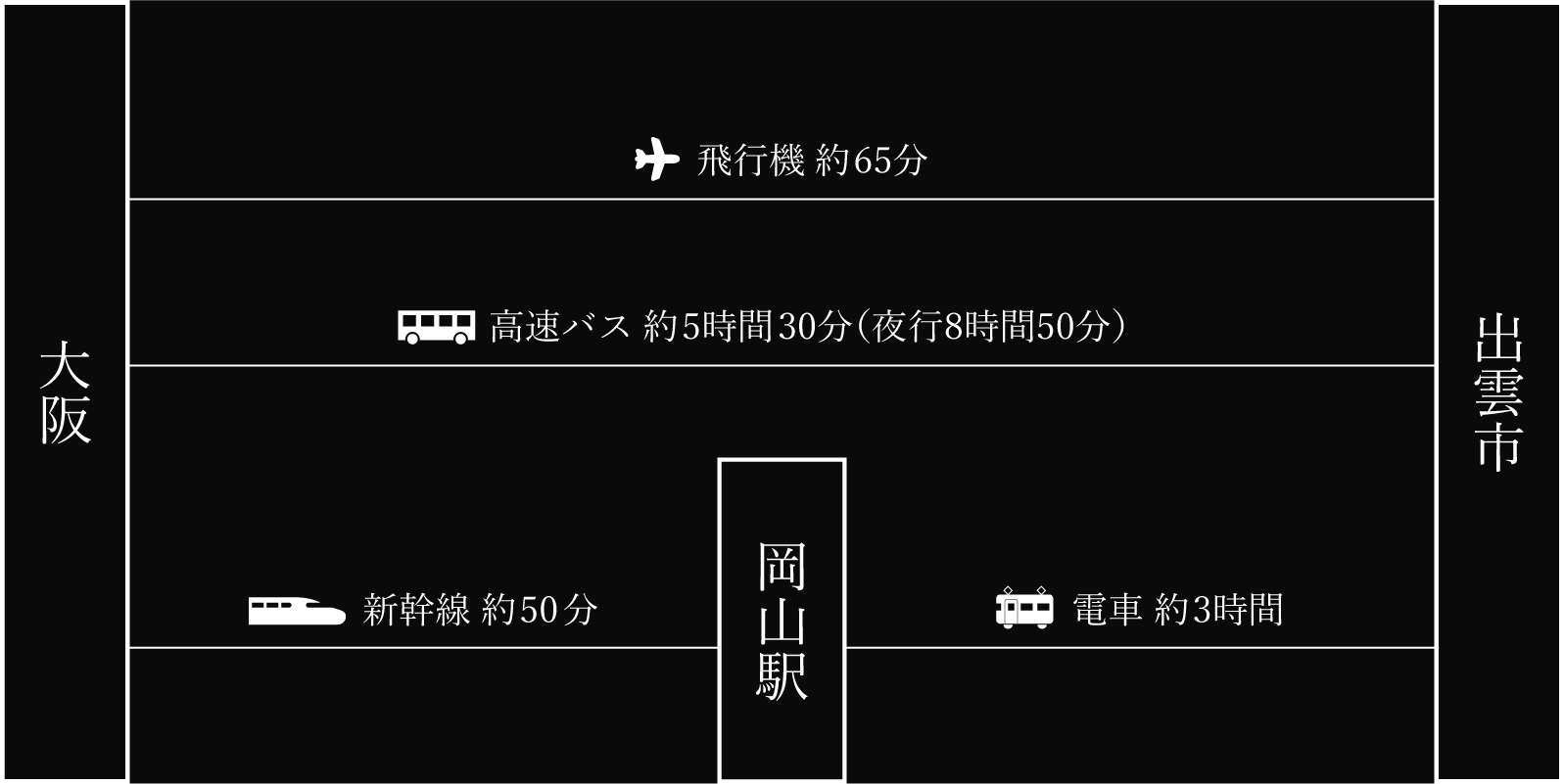
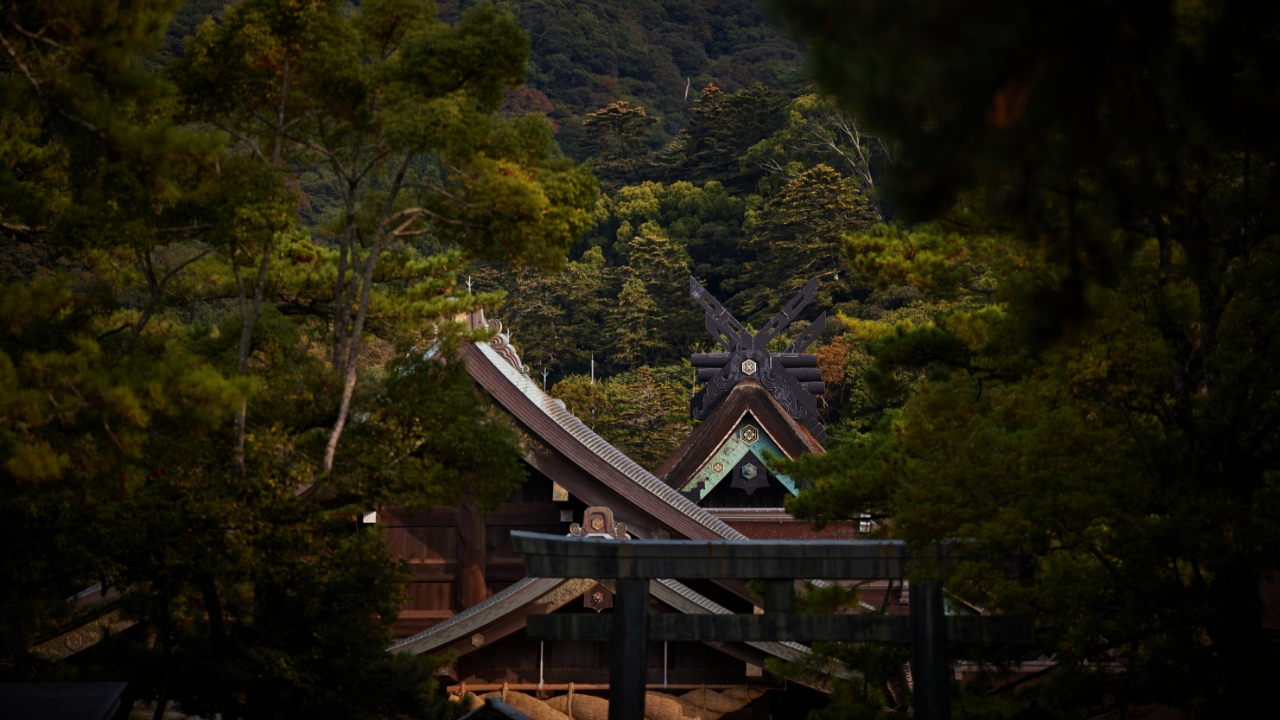 Photo by SHOKO TAKAYASU
"Izumo Taisha Shrine"
Izumo Taisha Shrine enshrines Okuninushi-no-Mikoto, who forms the precious bonds or "bonds" that allow all living things to flourish together.
Within the grounds is Nomi no Sukune Shrine, dedicated to Nomi no Sukune, the ancestral deity of the Izumo no Kuni no Miyatsuko and the founder of sumo wrestling. Every year, the "Nomi no Sukune Wanpaku Sumo Tournament" is held at the nearby sumo ring to pray for the growth of children.
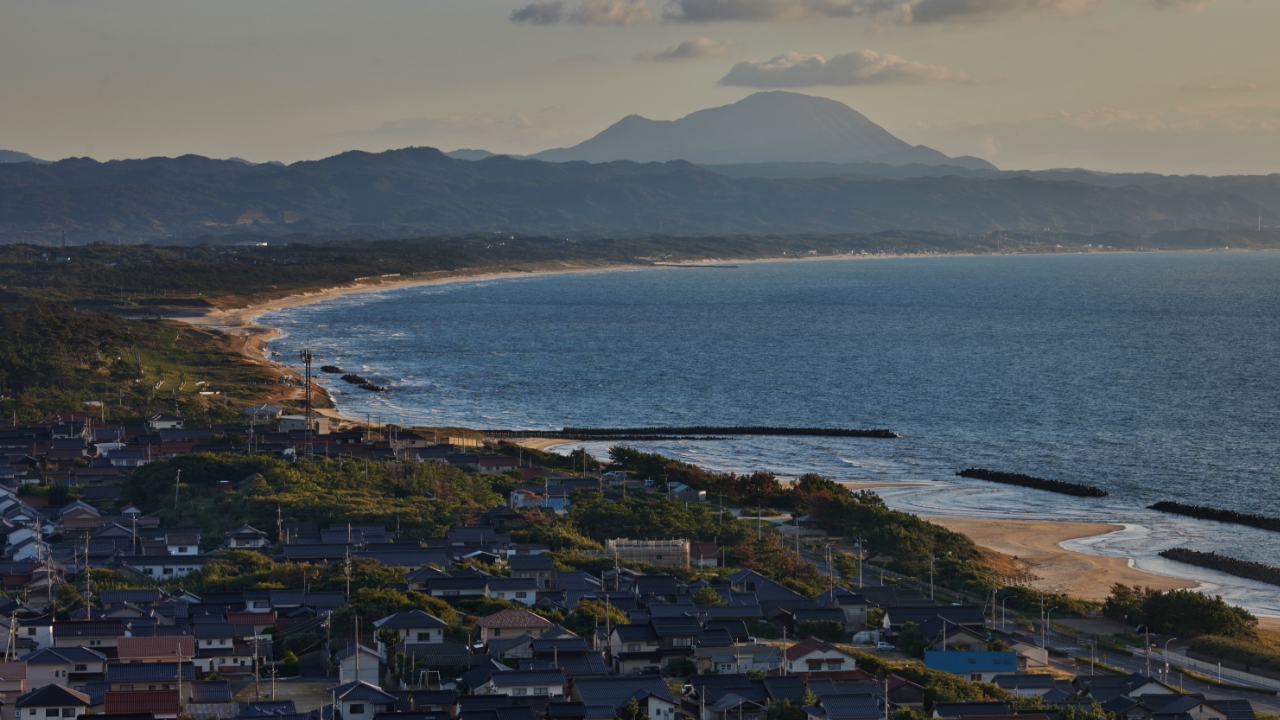 Photo by SHOKO TAKAYASU
"Inasa Beach"
Inasa Beach is the setting for the myth of the transfer of the country, and welcomes gods from all over Japan during the month of Kamiarizuki. Sono-no-Nagahama is said to be where the "tug rope" from the myth of the transfer of the country became a 13.5km long coastal sand dune, and beyond that is Mt. Sanbe, where the rope was anchored. To the north, there is Hinomisaki Shrine, which is said to protect Japan at night, and other natural landscapes connected to mythology change appearance every day.
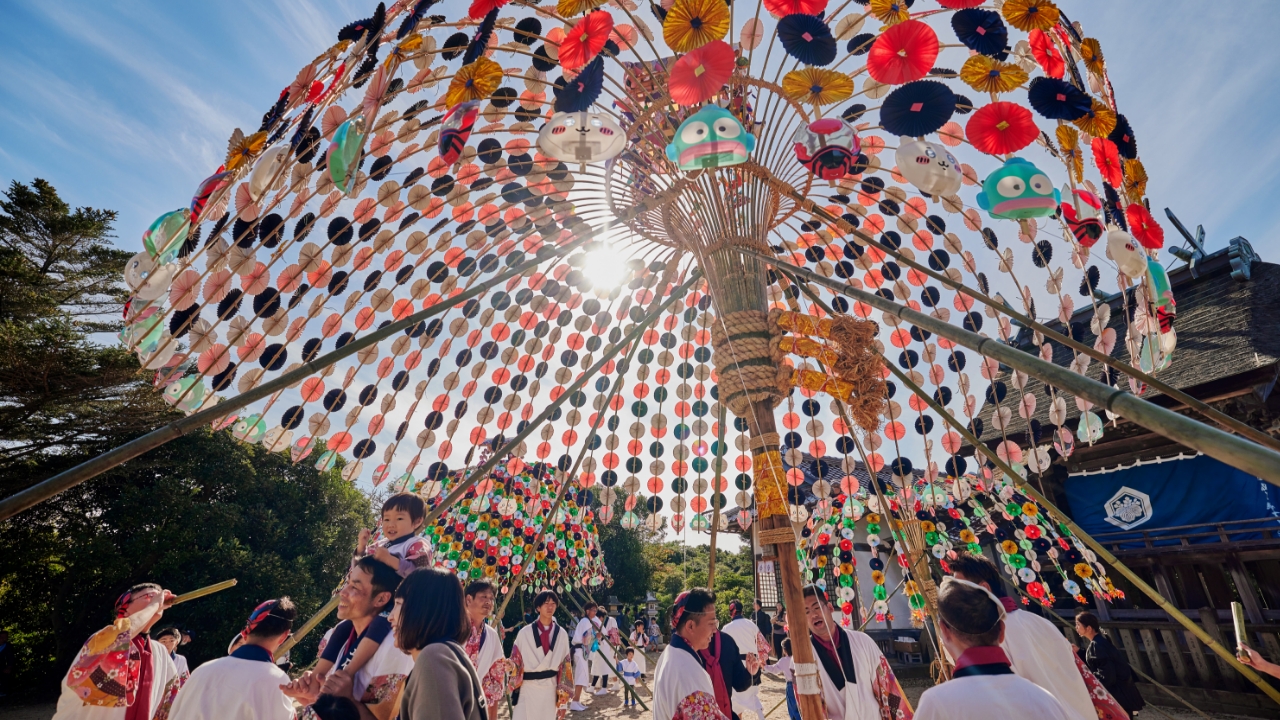 Photo by SHOKO TAKAYASU
In Izumo, shrines are carefully protected, including Susa Shrine, where Susanoo-no-Mikoto is said to have appeased the spirits, and festivals and kagura dances are still performed today.
The area around Izumo Taisha Shrine, which has welcomed many worshippers since ancient times, is home to a unique food culture including Izumo soba noodles, uzuni (simmered cucumbers) served at festivals, and Izumo zenzai, as well as folk art rooted in the daily lives of the people.