Font size
Page Color

*Please note that this is a machine translation and may differ from the original Japanese page content before translation.
*Because this is a machine translation, it may differ from the original content of the Japanese page before translation.
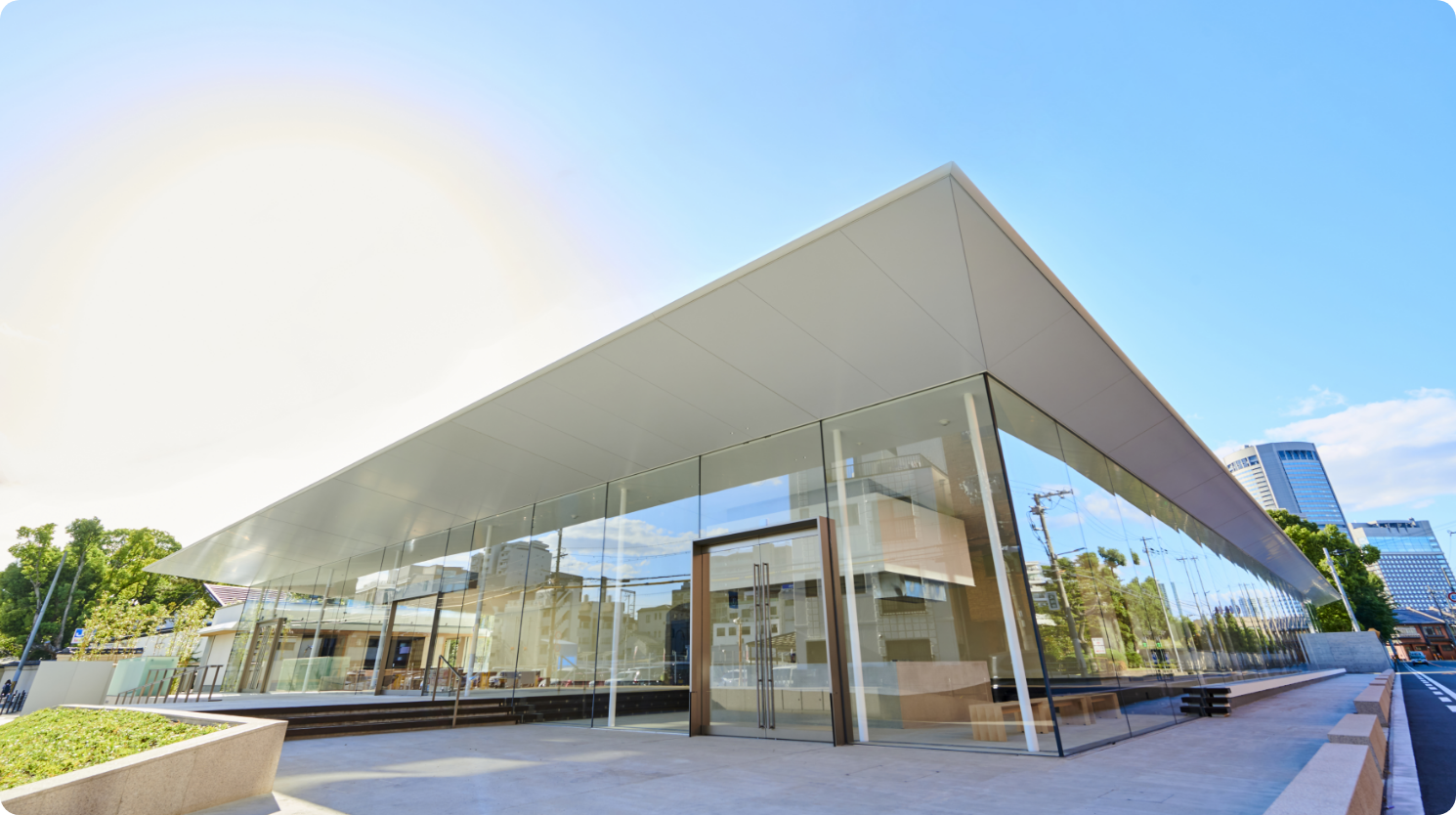
The Fujita Museum's collection was built by Fujita Densaburo, a businessman active during the Meiji period, and his sons Heitaro and Tokujiro.
Densaburo felt a sense of crisis that many of the cultural assets that had been passed down through the lords' families and temples and shrines were being exported overseas or treated carelessly within Japan following the Meiji Restoration.
Densaburo was not only a businessman, but also an art lover to the extent that, despite being warned by his parents from a young age against collecting things, he was unable to change his nature.
He decided to take this opportunity to collect a large number of works of art and at the same time prevent the nation's treasures from being scattered, and so he began collecting.
His heirs inherited his passion for art, saying, "These national treasures should not be kept secret as the private property of one individual.
"I want these works to be widely available to the public, so that they can be enjoyed by friends with similar interests, and that they can be used as reference materials for researchers in the field," and so he opened the Fujita Museum of Art in 1954.
From its opening until its temporary closure on June 11, 2017, the Fujita Museum building was a renovated storehouse in the Fujita family residence, built between the Meiji and Taisho periods, that was reused as an exhibition room.
During the 1945 Osaka air raids, which destroyed most of the mansion, the storehouse fortunately escaped the fire, protecting the art treasures housed within.
The new Fujita Museum of Art, as a "storehouse museum" that has been loved for over 60 years, also hopes to pass on the artworks it has inherited to the next generation.
.jpeg)
Door type: Automatic door (entrance: 265cm)
Reception: If you need any help, please speak to the staff at the entrance (Amijima Chaya).
.jpeg)
.jpeg)
Passage width: 185-318cm
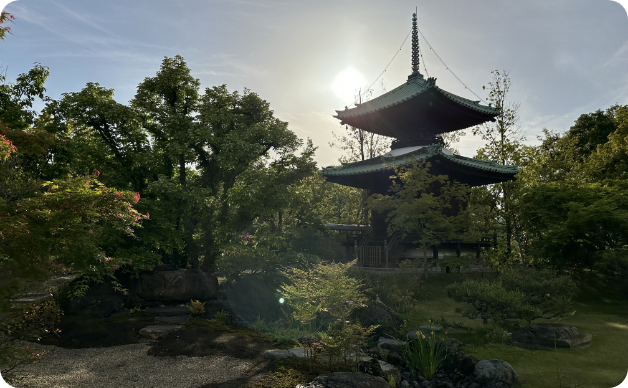
Route: There are steps in some areas of the garden (no ramps)
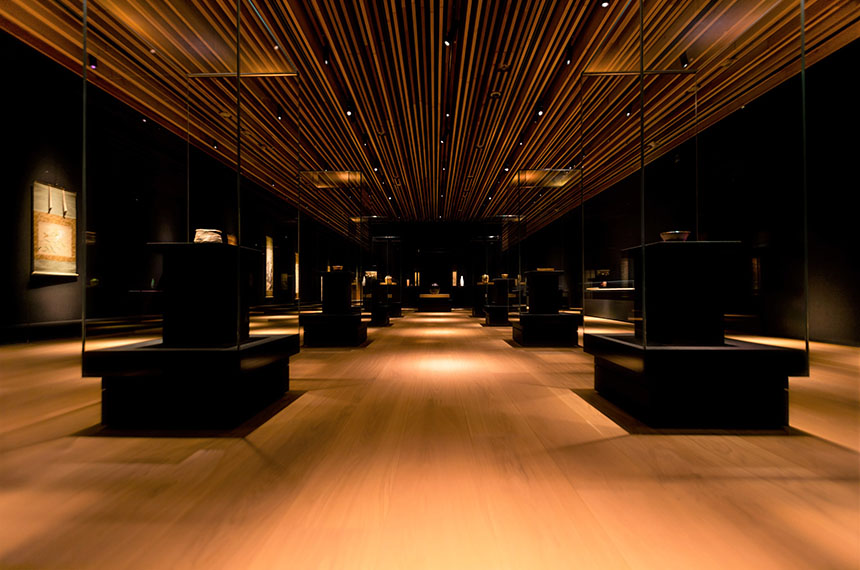
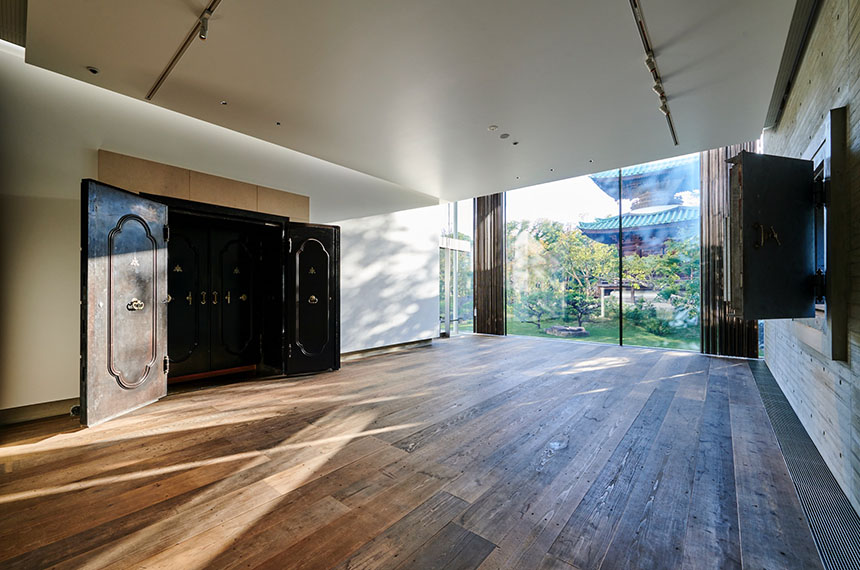
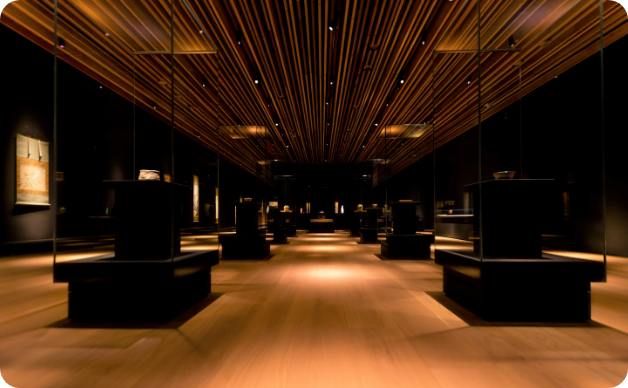
There are no steps and it is spacious, so you can leisurely view the exhibits.
The doors are automatic. Please be aware that some exhibition rooms and corridors are dark.
Wheelchair accessible space: Available (There is ample space throughout the building)
*Locker rooms are also available
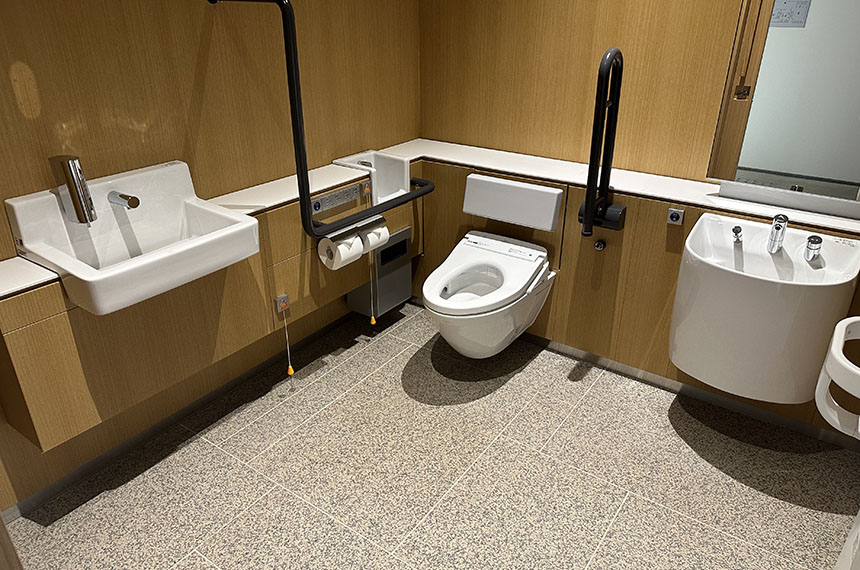
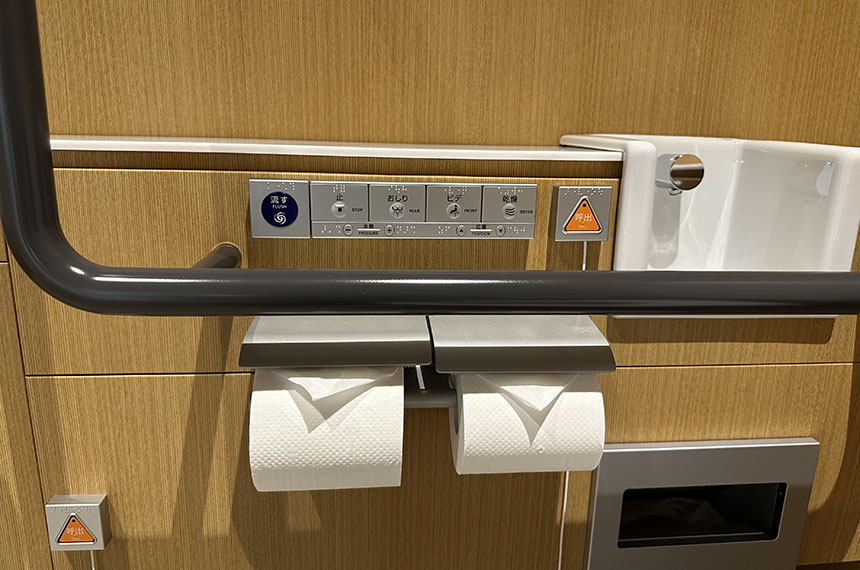
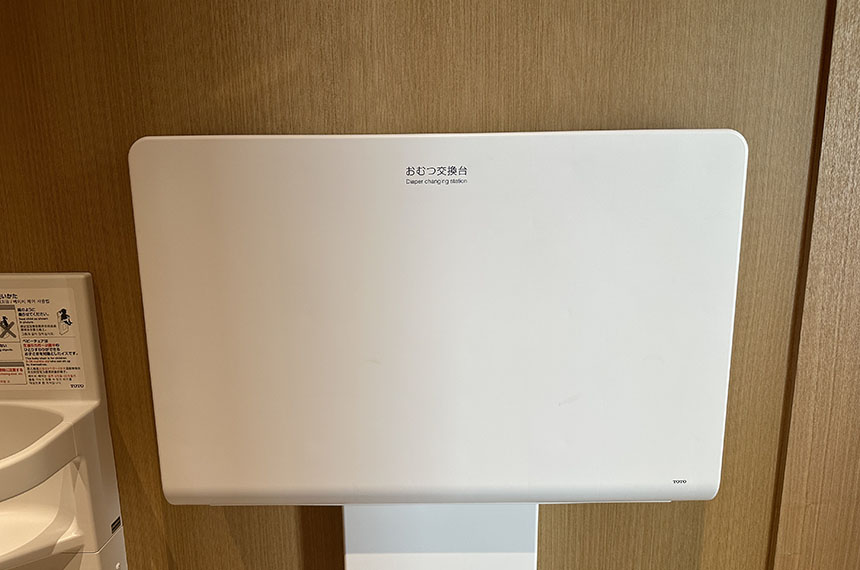
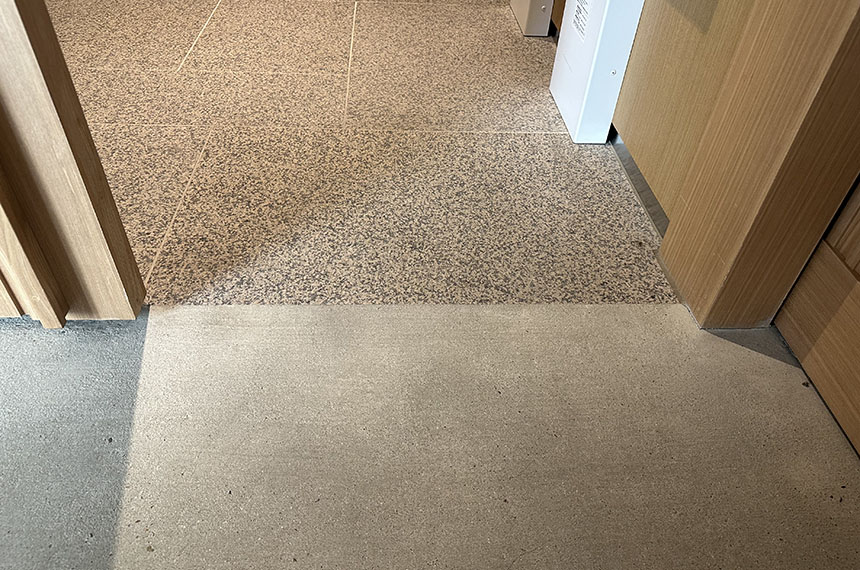
There is one unisex multipurpose toilet at the entrance.
Ostomate facilities: available
Multipurpose seat: None
Baby chair: Yes
Diaper changing table: available
Door type: Manual
Backrest: Yes
Warm water washing toilet seat: Yes
Direction of L-shaped handrail when seated: Right side
Movable handrail type: Flip-up
Curtains: None
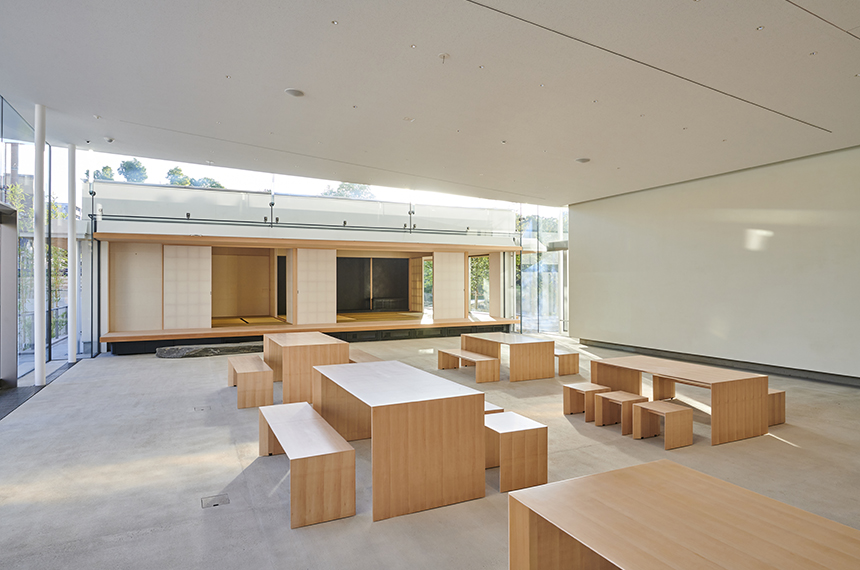
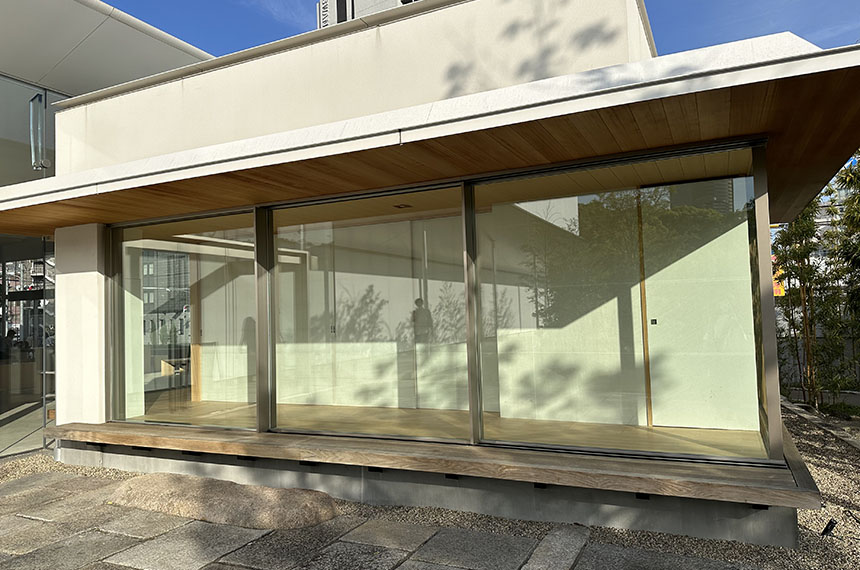
You can take a break at the seats at Amijima Chaya.
There are also benches in the garden, so please feel free to use them as a resting space.
Universal T urism
urism
Universal T urism
urism
Universal Turism
Universal Turism

Tsuruhashi and Tennoji are areas with different charms, but both are representative downtown areas of Osaka and attract many people.
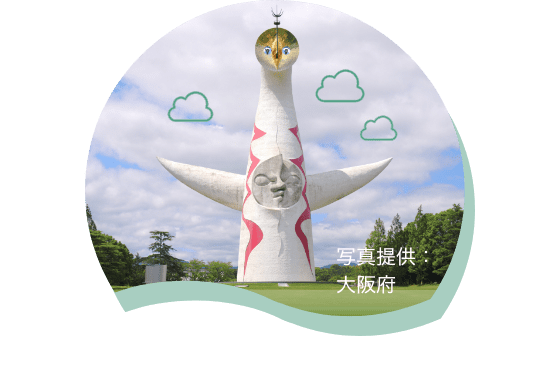
It symbolizes hope and creativity for the future. Different countries are working together to share ideas for a sustainable future.
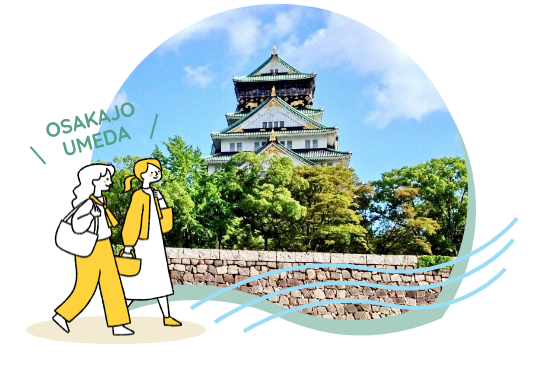
"In the heart of Osaka are two huge landmarks, both old and new, Osaka Castle and Umeda Sky Building, which attract people from both within Japan and overseas..."
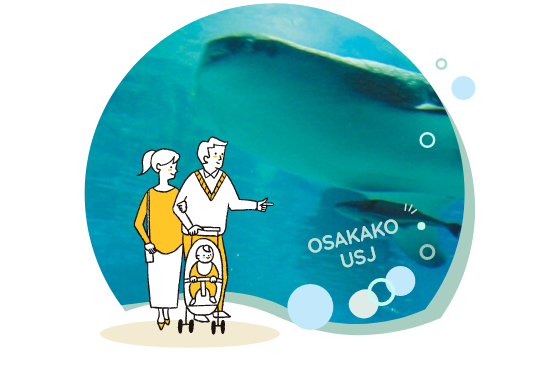
The Bay Area, centered around Osaka Port, is home to some of the Kansai region's leading theme parks.
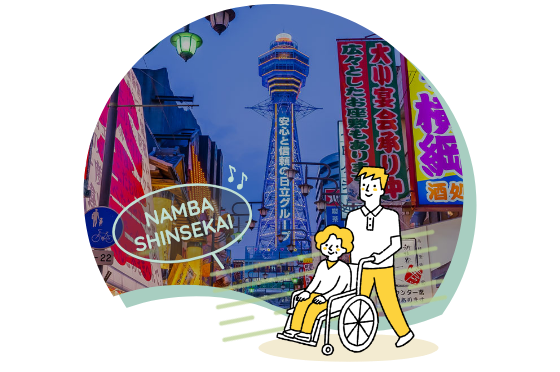
"The Namba area has flourished as an economic center since the days when Osaka was known as the 'Kitchen of the World,' and has been a center of entertainment, culture, and gourmet food...
We'll show you how to create a wheelchair travel plan for Osaka! We've gathered and introduced various barrier-free information in one place.
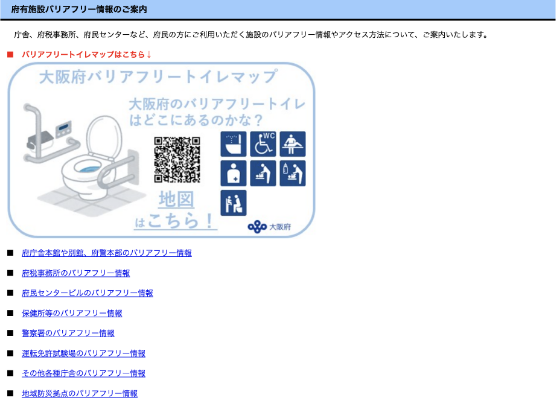
Barrier-free information for prefectural facilities (Housing and Construction Bureau, Building Environment Division)
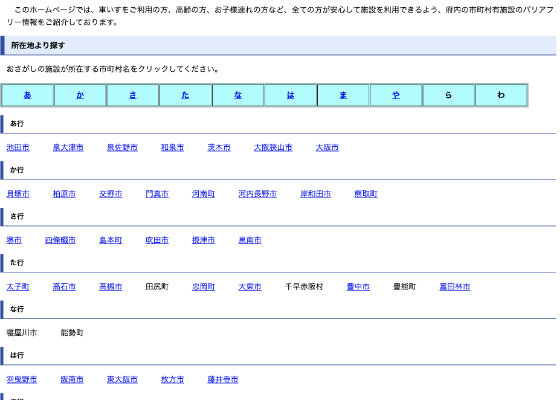
Barrier-free information for municipal facilities (Building Environment Division, Housing and Construction Bureau)
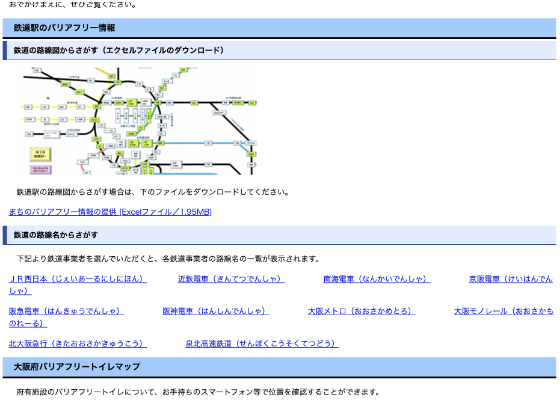
Providing information on barrier-free access in the city (Building Environment Division, Housing and Construction Bureau)
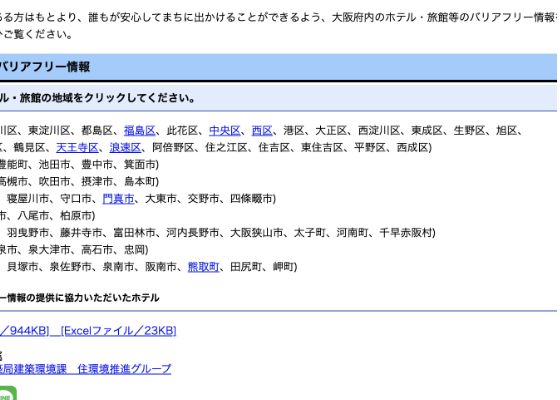
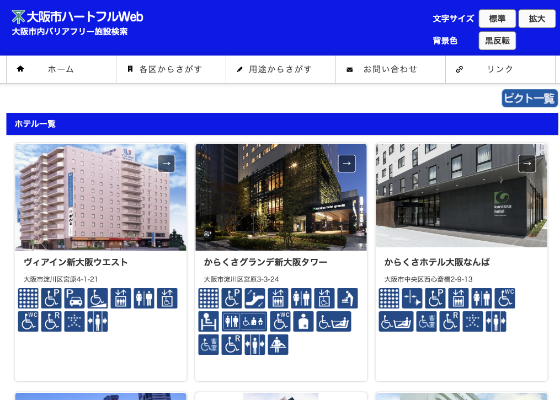
Barrier-free access for hotels and inns
Providing information (Building Environment Division, Housing and Construction Bureau)
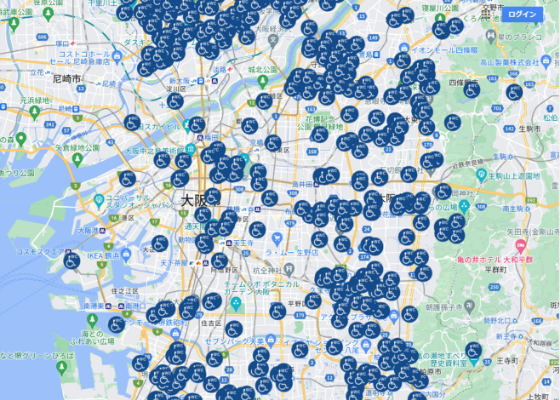
Osaka Prefecture Barrier-Free Toilet Map
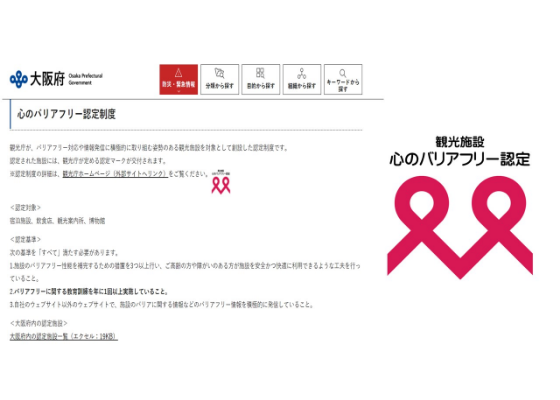
Mental barrier-free certified facilities in Osaka Prefecture