








本網站使用 Cookie,以分析服務與流量並提供廣告。我們會依據隱私權政策的內容使用 Cookie,請點選「同意」以繼續。
Sakai
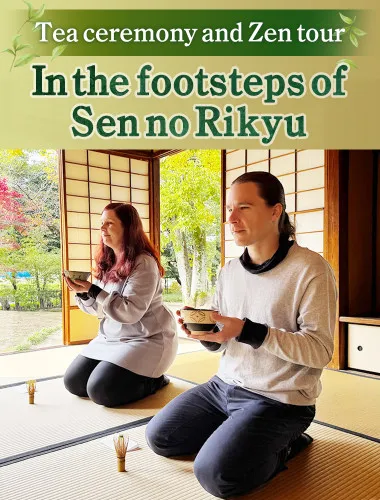
Sakai City became a government-designated city in April 2006 and is the second-largest city in Osaka Prefecture by both population and area. It is home to many cultural assets and traditional industries, including the Nintoku Emperor’s Mausoleum (one of the world’s largest tombs), the Mozu Kofun Cluster of more than 100 tumuli, the tea culture perfected by Sen no Rikyū, and renowned cutlery, and it was once called the ‘Venice of the East.’ Human settlement here is thought to date back to the Paleolithic era, and excavations throughout the city have uncovered chipped stone tools, pottery, and Yayoi-period bronze bells. In the Heian period it was written as ‘Sakai’ (left sea), and it was also used as a lodging point for Kumano pilgrimages. After the Ōnin War, it became a relay point for Japan–Ming trade, attracting many merchants from Japan and abroad and developing into an international trading city. In the Azuchi–Momoyama period, it formed a moat-surrounded city to protect the town from conflict, and at one time merchants known as ‘Egoshu’ carried out autonomous urban governance. In the Edo period, the Sakoku isolation policy led to the establishment of a Sakai magistrate’s office, and Sakai merchants accumulated immense wealth.
地址
Sakai City, Osaka Prefecture
交通
JR Hanwa Line: Sakai Station