





Museum of Osaka University
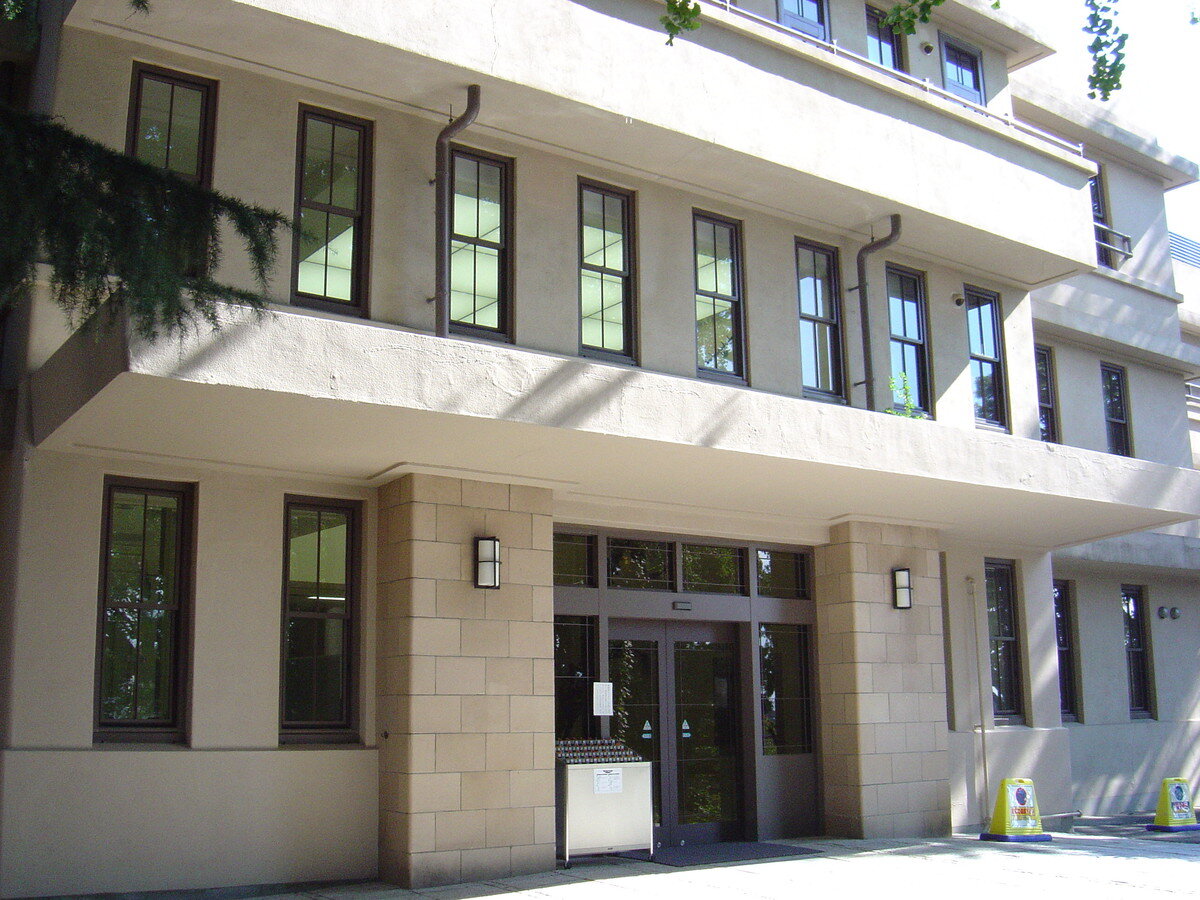
The museum reopened in August 2007, using the Machikaneyama Shugakukan building, which was completed in 1931. It displays approximately 600 academic specimens.
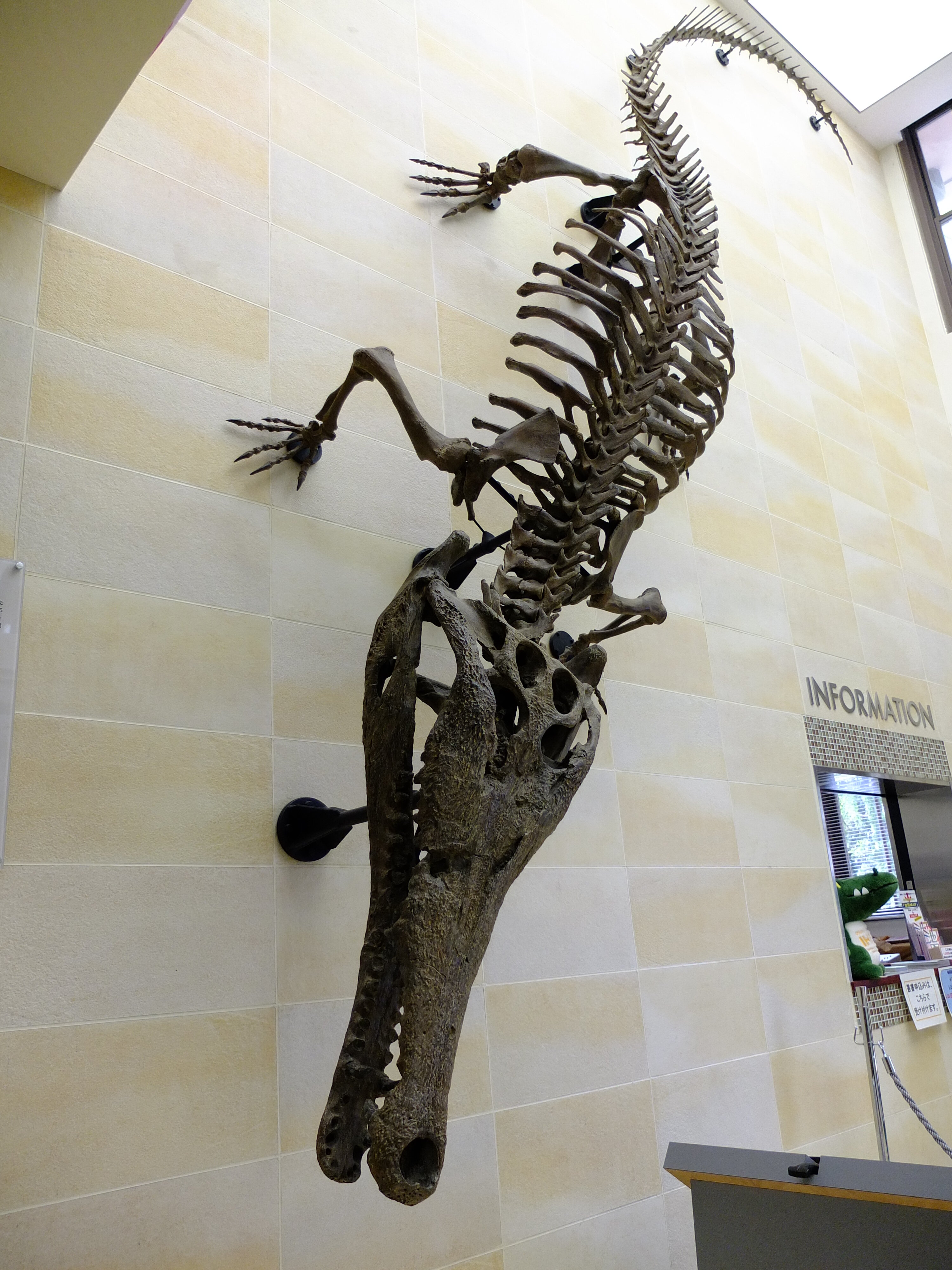
The museum reopened in August 2007, occupying the Machikaneyama Shugakukan building, which was completed in 1931. The museum's concept is an "interactive museum," showcasing how the university's research and traditions are linked to society through exchange. Currently, approximately 600 academic specimens are on display, with the highlight being one of the world's largest crocodile fossils. This crocodile, which lived in Osaka approximately 420,000 years ago, was excavated from a construction site for the university campus. The second floor displays materials related to the university's roots, Kaitokudo and Tekijuku. Kaitokudo was founded by townspeople during the Edo period and played a key role in spreading Osaka's academic culture to the general public. Tekijuku was founded by Ogata Koan, and many young people, including Fukuzawa Yukichi, studied here, who would go on to shape the dawn of modern Japanese culture. Also on display are the first domestically produced electron microscope, developed in 1939, and Japan's first three-dimensional model of a protein structure, which was performed by the university using X-rays. These exhibits prove that Osaka University (present-day The University of Osaka) was at the forefront of research into light and electrons. Additionally, the university has over 1.6 million academic specimens stored, and plans are underway to gradually open them to the public while devising new ways to display them.
Basic information
- Business hours
- 10:30~17:00
- Holidays
- Sundays, holidays, year-end and New Year holidays
- Price
- Free
- Access
- 10-minute walk from Ishibashi Handai-mae Station on the Hankyu Takarazuka Line.
- Address
- 1-20 Machikaneyamacho, Toyonaka City, Osaka Prefecture, 560-0043
- Telephone
- 06-6850-6284
- URL
- https://www.museum.osaka-u.ac.jp/