







Day 3 START
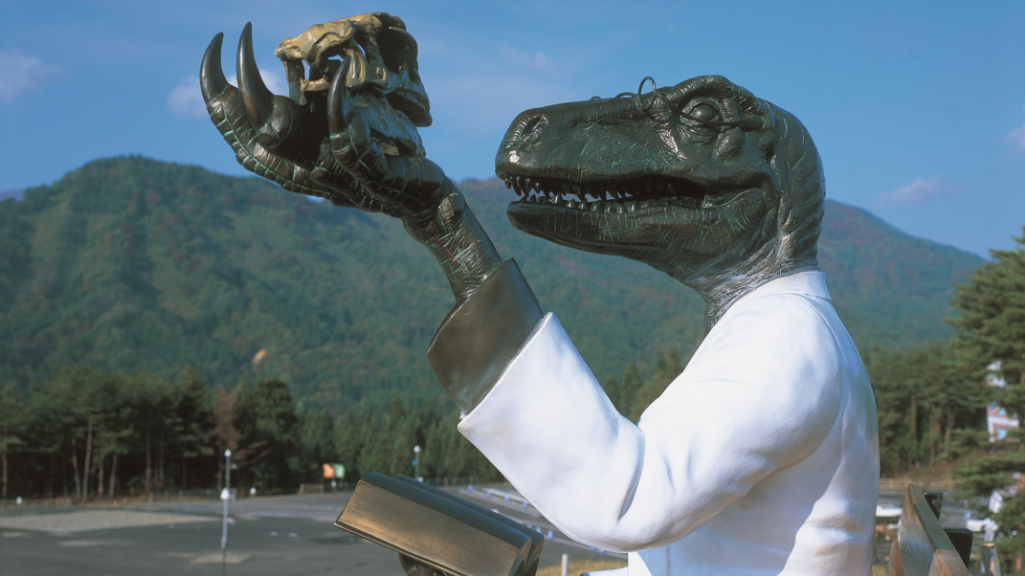
Fukui Prefectural Dinosaur Museum
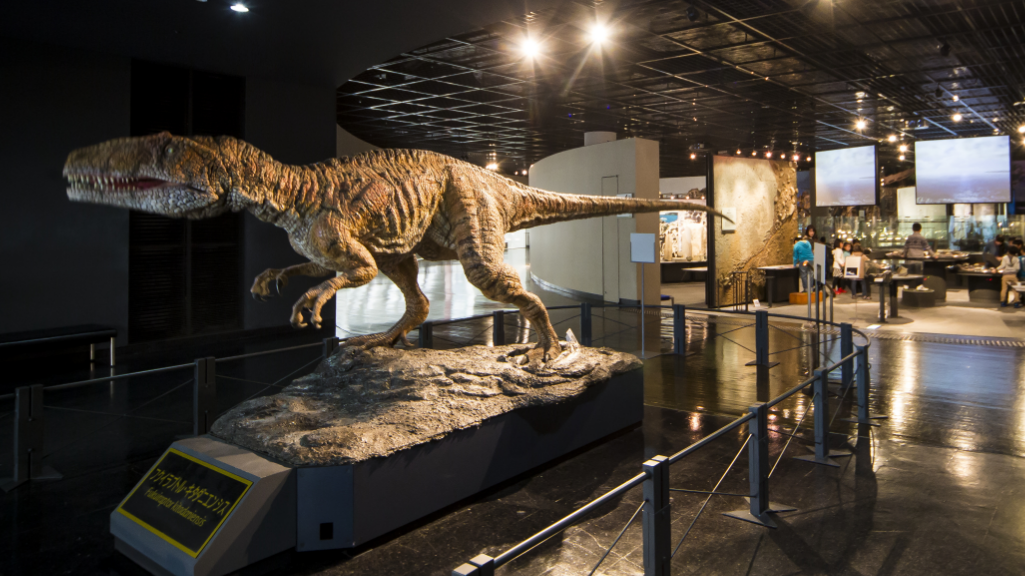
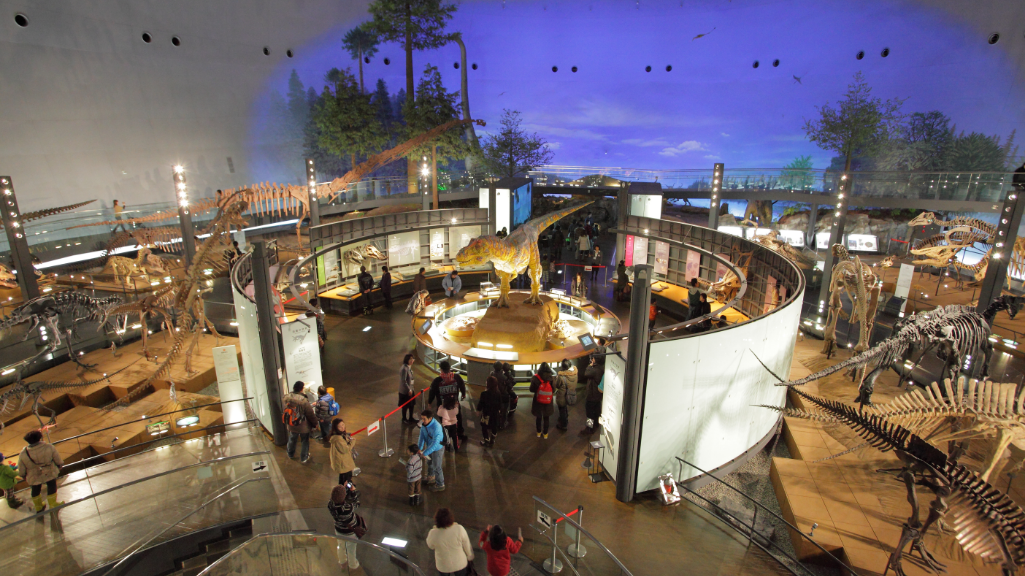
One of the three leading dinosaur museums in the world boasting the largest amount of dinosaur fossil excavation and the highest research performance in Japan that symbolizes “The Kingdom of Dinosaurs, Fukui.” It reopened after a renovation in July, 2023, featuring complete skeletons of as many as 50 dinosaurs and real dinosaur mummy fossils, which are first to be publicly displayed in Japan. With exhibition of symbolic, giant dinosaur statues, videos of life-size dinosaurs shown on a large screen about 9 meters high and 48 meters long, and fossil research workshops where you can experience fossil cleaning, it’s a museum enjoyable for both children and adults.
10 minutes by Car
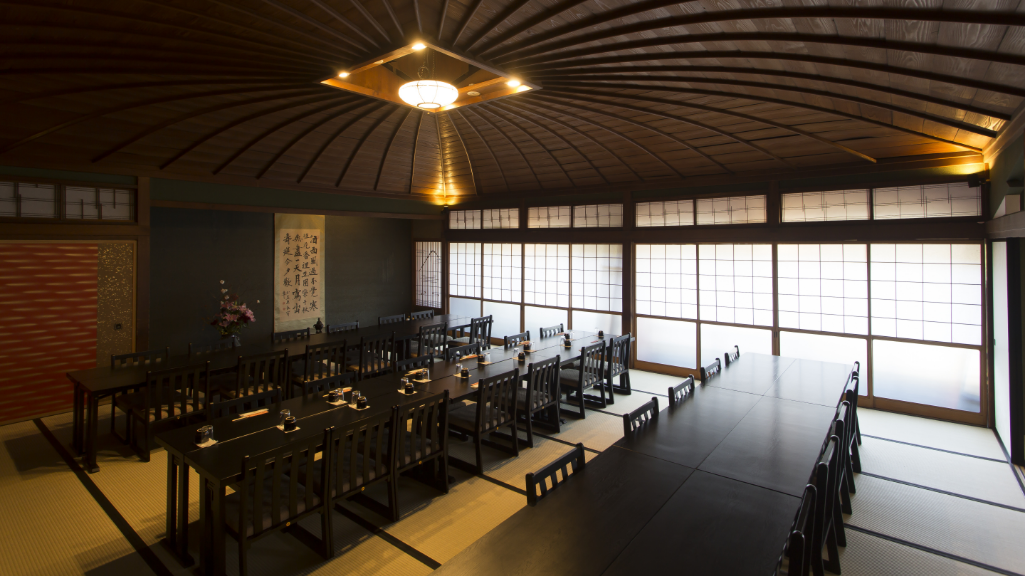
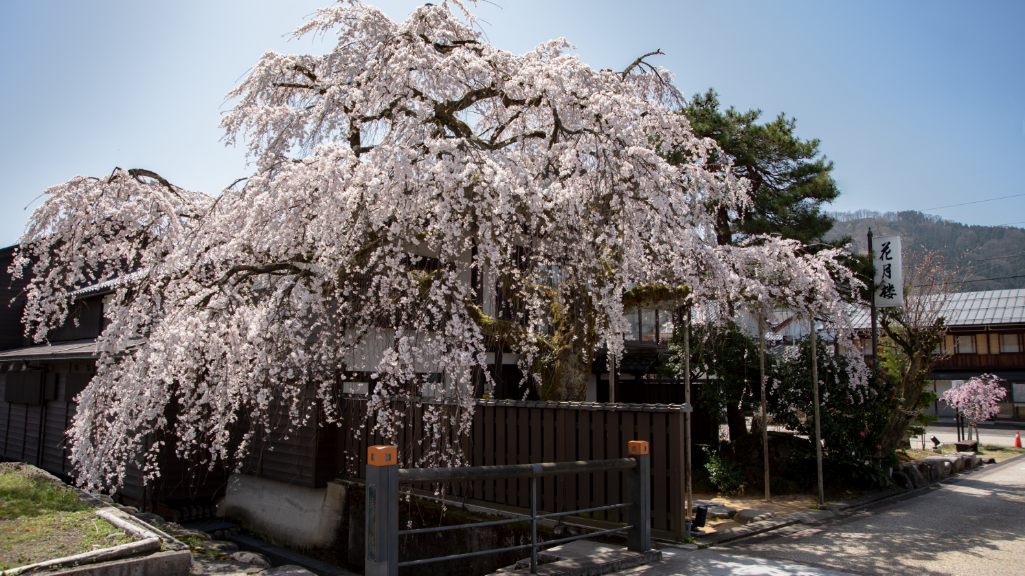
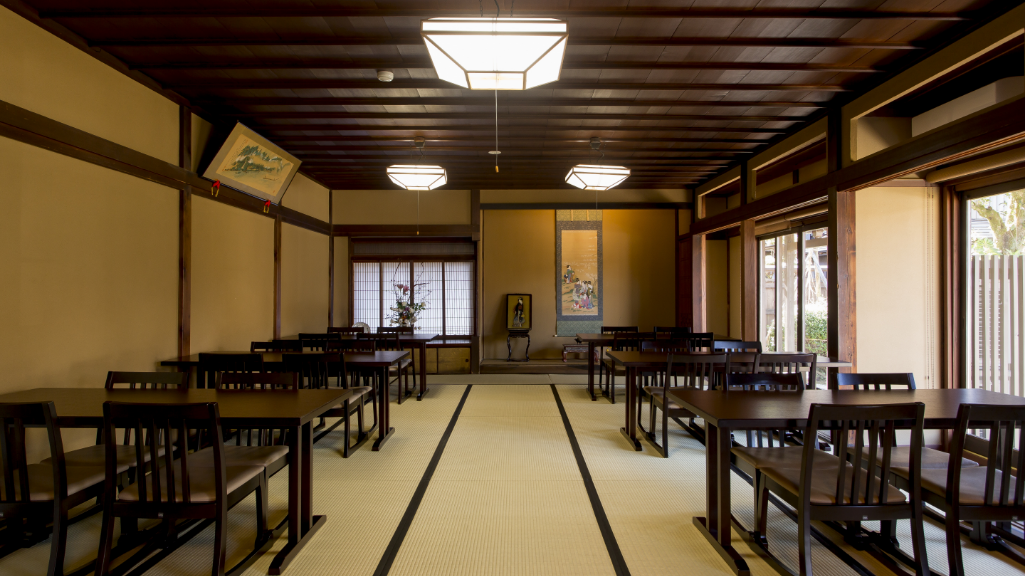
Kagetsuro
A restaurant with the atmosphere of the late modern period, converted with minimum renovation work from a tangible cultural property Kagetsuro, a traditional Japanese restaurant built in 1897. They offer traditional local specialties of Katsuyama City for lunch and Japanese-style sweets for you to enjoy.
7 minutes by Car
Echizen Daibutsu (statue of Buddha) (Daishizan Seidaiji Temple)
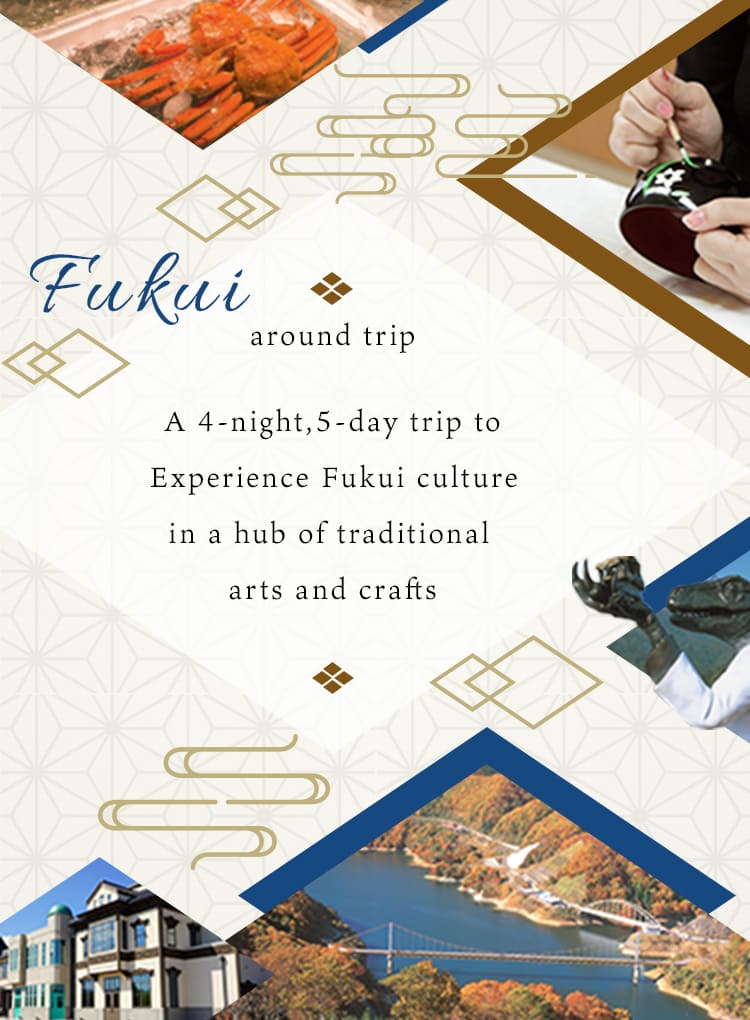
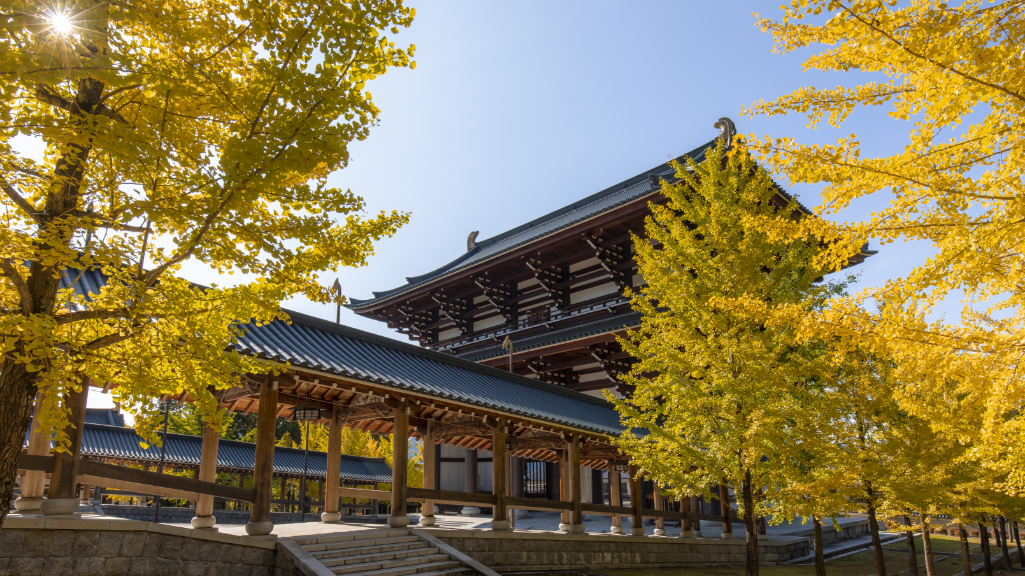
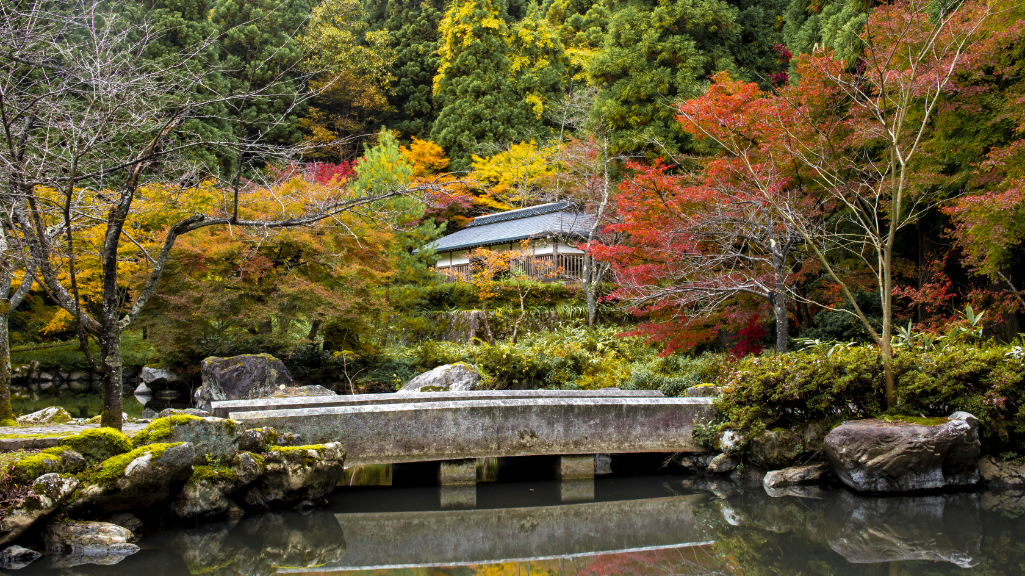
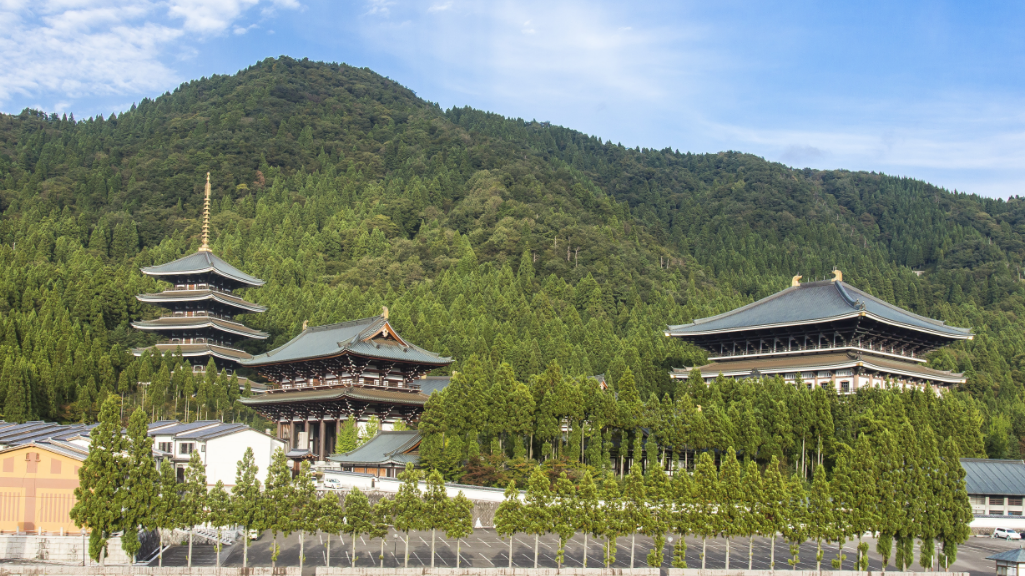
The large statue of Buddha enshrined at the Great Buddha Hall is 17 meters high, which is larger than the statue of Buddha at the Todai-ji Temple in Nara Prefecture. With as many as 1,281 stone and metal statues of Buddha placed neatly around it, it’s quite a sight. The five-storied pagoda that stands within the temple grounds offers a sweeping view of Katsuyama City.
6 minutes by car
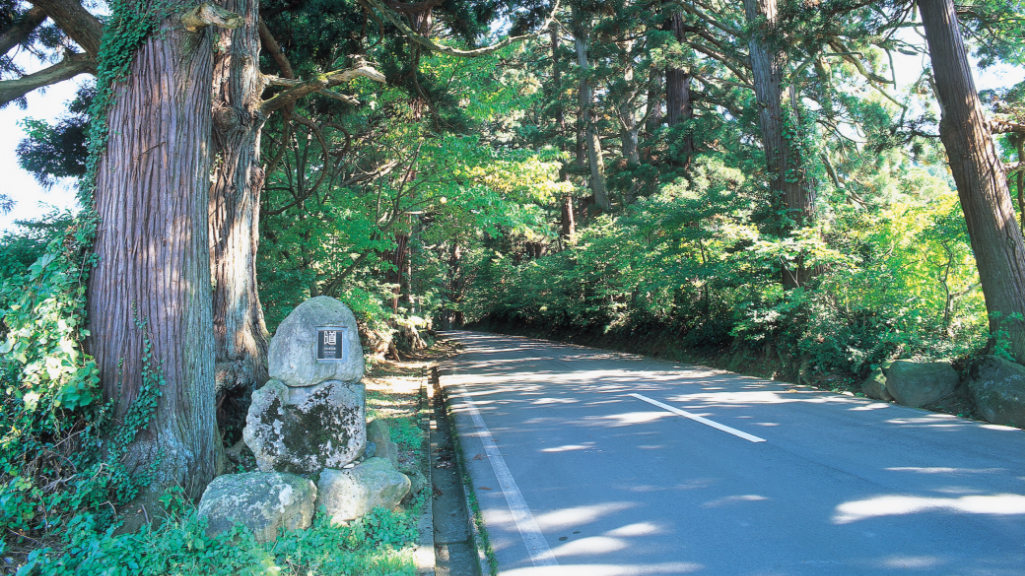
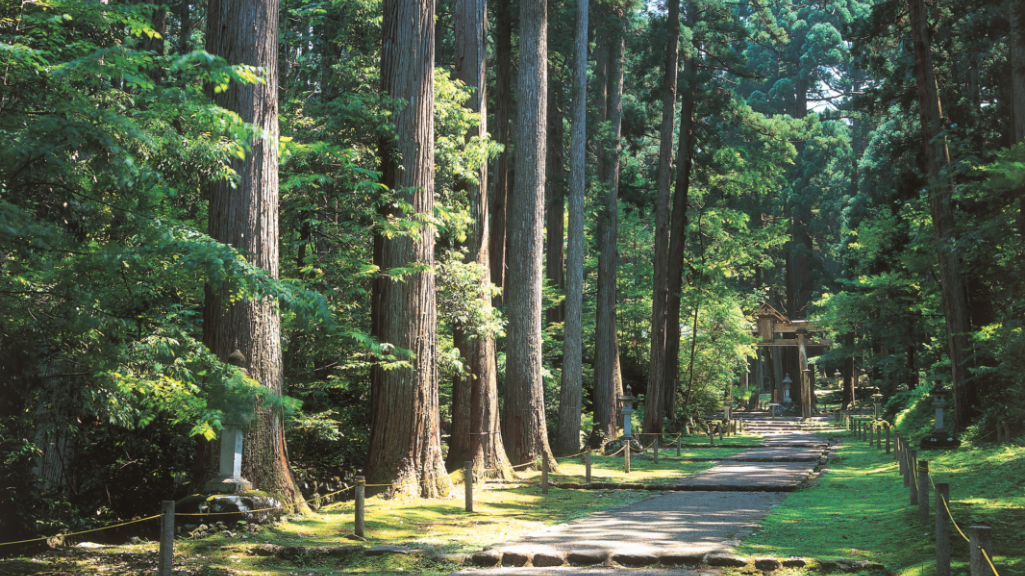
Heisenji Hakusan Shrine
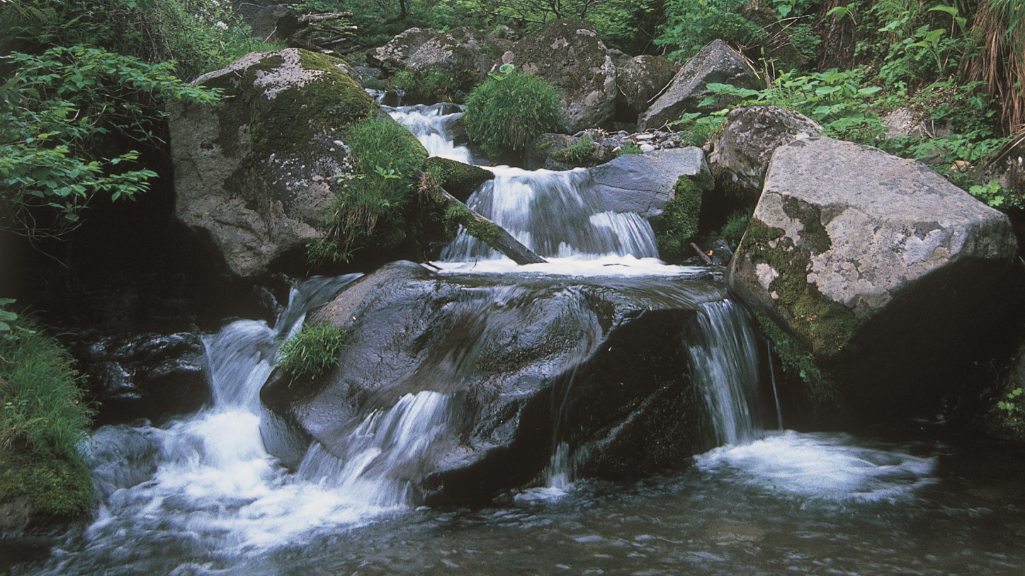
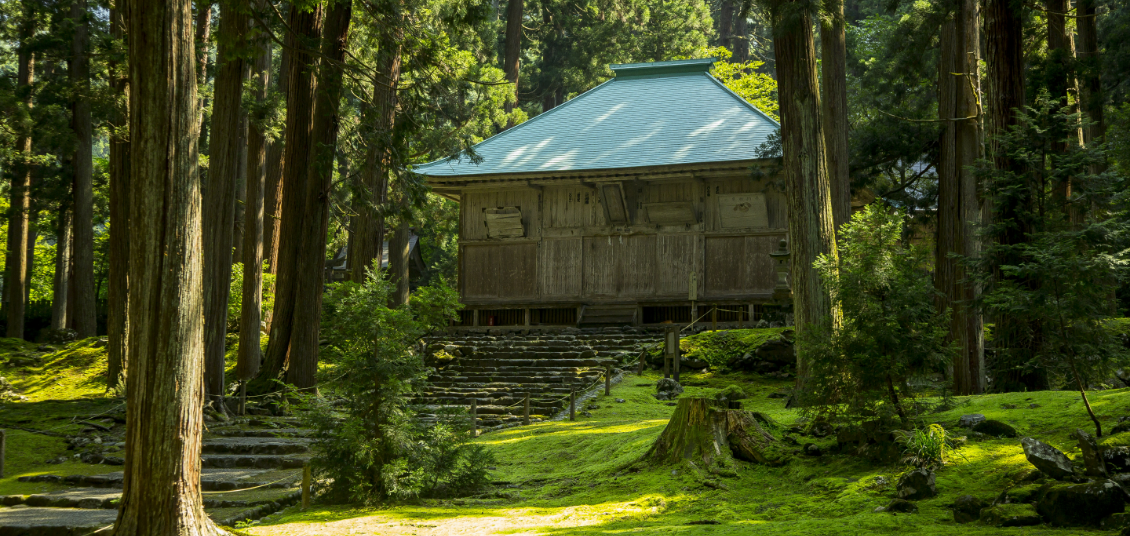
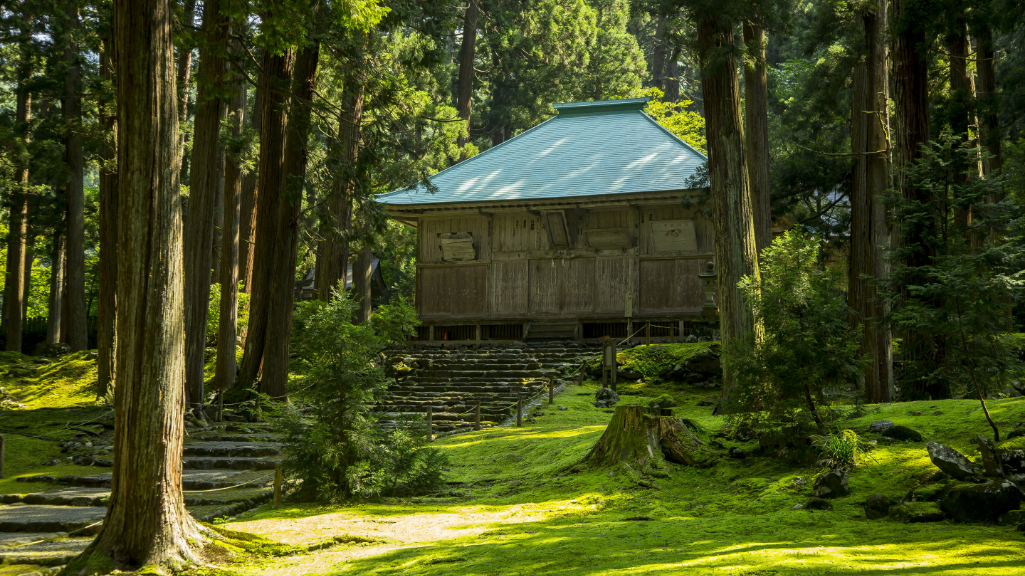
A base for religious traditions associated with Mt. Hakusan, known as Hakusan shinko, believed to be established by Taicho in 717. During the age of provincial wars (1467-1615), the area flourished as one of the largest religious towns in Japan, lined with 48 shrines, 36 halls, and as many as 6,000 “bo-in,” which served as housings for monks. Stone-paved streets and the townscape from medieval Japan (late 11th century to late 16th century) are of the largest scale, and were recognized and designated as the Japan Heritage in 2020. As the shrine grounds covered with moss create mystic sceneries, it is also called a “Koke Miya (Shrine of Moss).” The pathway to the shrine was chosen as one of “100 Best Roads in Japan.”
15 minutes by Car
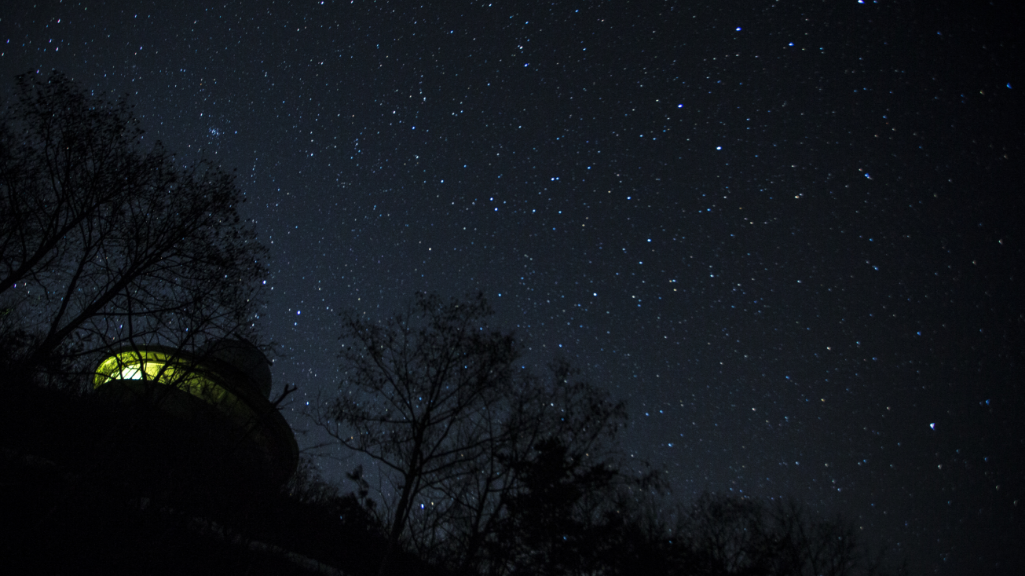
Rokuroshi Kougenn “Starry Sky Hammocks”
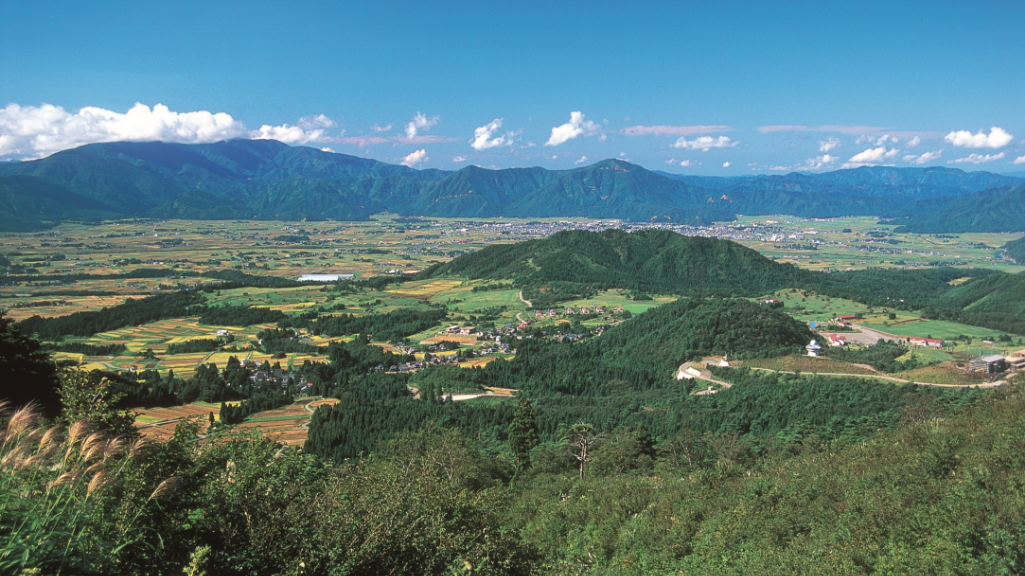
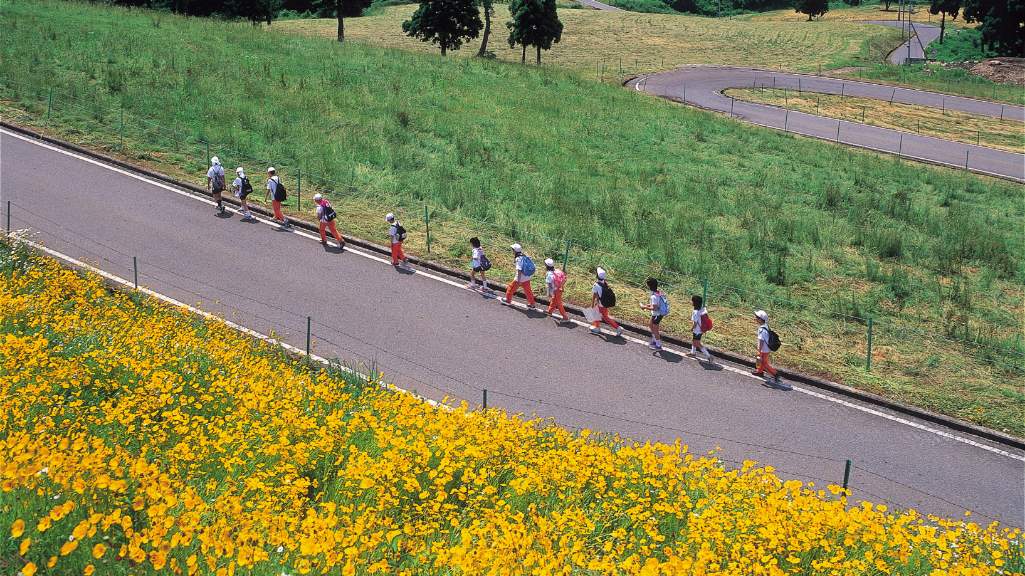
The best spot in Ono City to view the starry sky, which was chosen as the most beautiful one in Japan for two consecutive years based on the research conducted by the Ministry of the Environment. “Starry Sky Viewing Hammocks” are set up at Milk Kobo Oku-Echizen located on the highland for you to relax and take in the starry night sky over the highland. The facility is equipped with a restaurant and a bathing facility, while offering ice cream making classes.
On the premises
2minutes Walk
Rokuroshi Kougenn no Yado
A cottage on Rokuroshi Highland. You can relax and unwind in the vast nature.