





Sanada Yukimura and the Battle of Osaka Course
After Hideyoshi's death, Tokugawa Ieyasu rapidly expanded his power and attempted to destroy the Toyotomi clan. We will introduce the many places where Sanada Yukimura fought, who faced off against Ieyasu in the "Siege of Osaka" held twice, in winter and summer, and who met a heroic end after a fierce battle.
-
START
JR/OSAKA METRO Tennoji Station
-
8 minutes walkChausuyama (Tennoji Park)

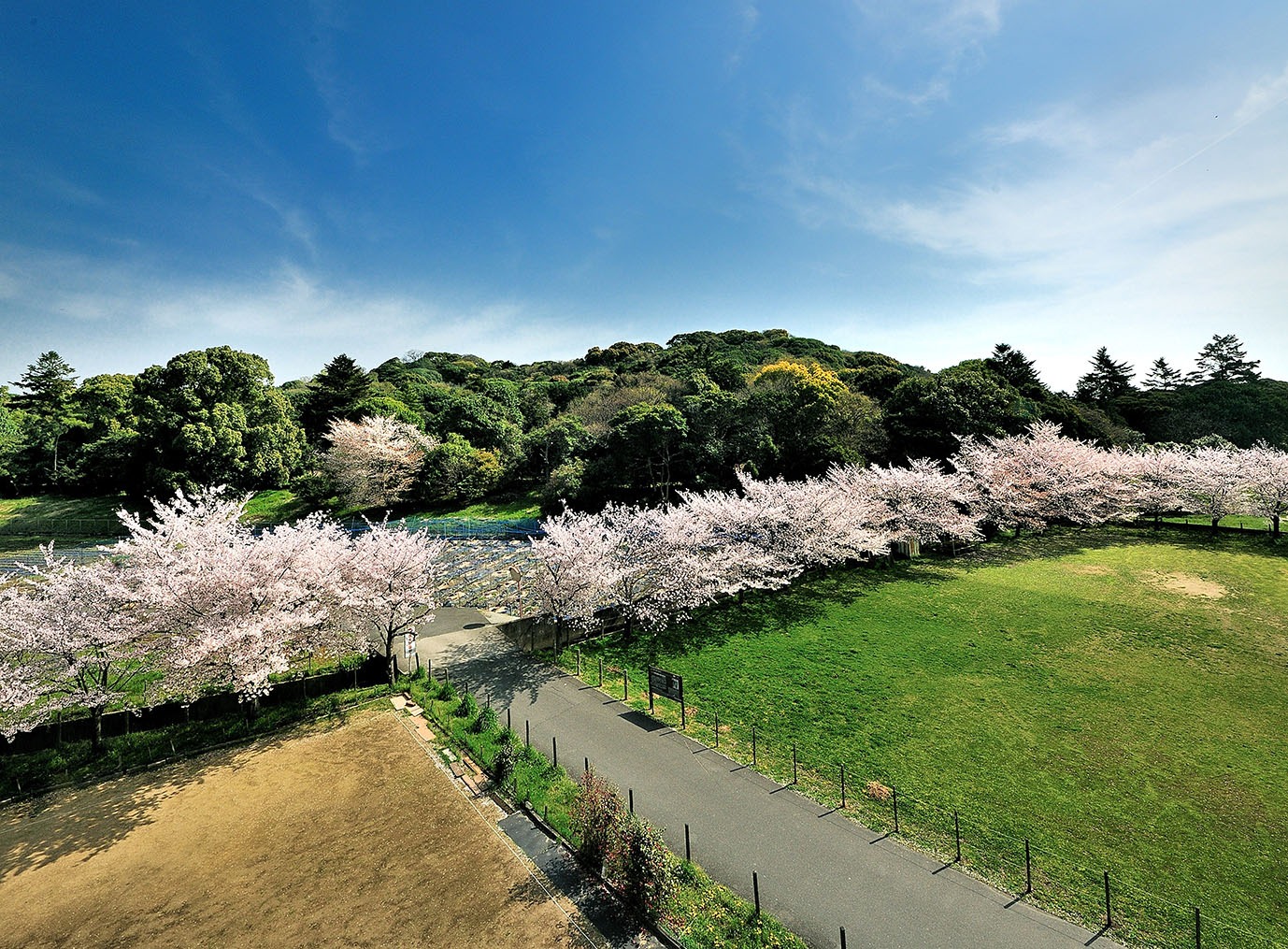
This is where Tokugawa Ieyasu set up his headquarters during the Winter Siege, and Sanada Yukimura set up his headquarters during the Summer Siege. It was originally a keyhole-shaped tumulus, and to the south stands Kawatei Pond, which retains the remains of a moat.
View the spot5minutes on foot -
Isshinji Temple

Founded by Honen, it is famous for its bone Buddha statues made from the remains of Amida Buddha. The back entrance, the mountain gate, is called the Kuromon gate and is said to have been relocated from the Tamatsukuri gate of Osaka Castle, but was destroyed in the war. It also contains the grave of Honda Tadatomo, who was killed in the Summer Siege of Osaka.
3 minutes On Foot -
YASUI JINJA SHRINE

It is said that this is the place where Sanada Yukimura met his end during the Summer Siege of Osaka, and a stone monument has been erected there. The second Sanada Pine, where Yukimura is said to have rested, also remains.
15-minute walk -
Zofukuji Temple

The Toyotomi warrior Hayato Usuda, who played an active role in the Battle of Osaka, died here and his grave was erected here. Hayato Usuda is also known as Iwami Jutaro.
View the spot20-minute walk -
Enjuan (Kama Hachiman)

During the Winter Siege of Osaka, Sanada Yukimura drove a sickle into the sacred tree to pray for victory, and was able to achieve a great victory at Sanadamaru, which is said to have led to the tree becoming known as a sacred tree for praying for victory.
8 minutes walk -
Shinganji Temple

This temple was built in the Edo period by the Shigeno clan, ancestors of the Sanada family, to commemorate the deaths of Sanada Yukimura and his son Daisuke. It is located on the west side of Saisōyama Park, and temples continue south from Shingan-ji Temple.
View the spot2minutes on foot -
Sanko Shrine

It is said to be the site of Sanadamaru, a secondary castle built by Sanada Yukimura during the Winter Siege of Osaka. Within the grounds, there is the Sanada escape route, which is said to have been dug by Yukimura, as well as a statue.
View the spot13-minute walk -
Tamatsukuri Inari Shrine

This ancient shrine was worshipped as the guardian deity of Osaka Castle, and within its grounds remains a stone torii gate donated by Toyotomi Hideyori. The museum also displays materials related to the ancient Tamatsukuribe area (reservations required).
View the spot8 minutes walk -
Etchui

It is said that Lady Hosokawa Gracia, wife of Hosokawa Etchu no Kami Tadaoki, refused to become a hostage of Ishida Mitsunari and died here. There is a statue of her at the nearby St. Mary's Cathedral.
20-minute walk -
Osaka Castle

The castle tower was built by Toyotomi Hideyoshi and burned down during the Summer Siege of Osaka during Hideyori's reign. It was rebuilt by the Tokugawa Shogunate, but was later burned down again by lightning. The current castle tower was completed in 1994 with donations from local residents.
View the spot - GOAL!
Related information

-
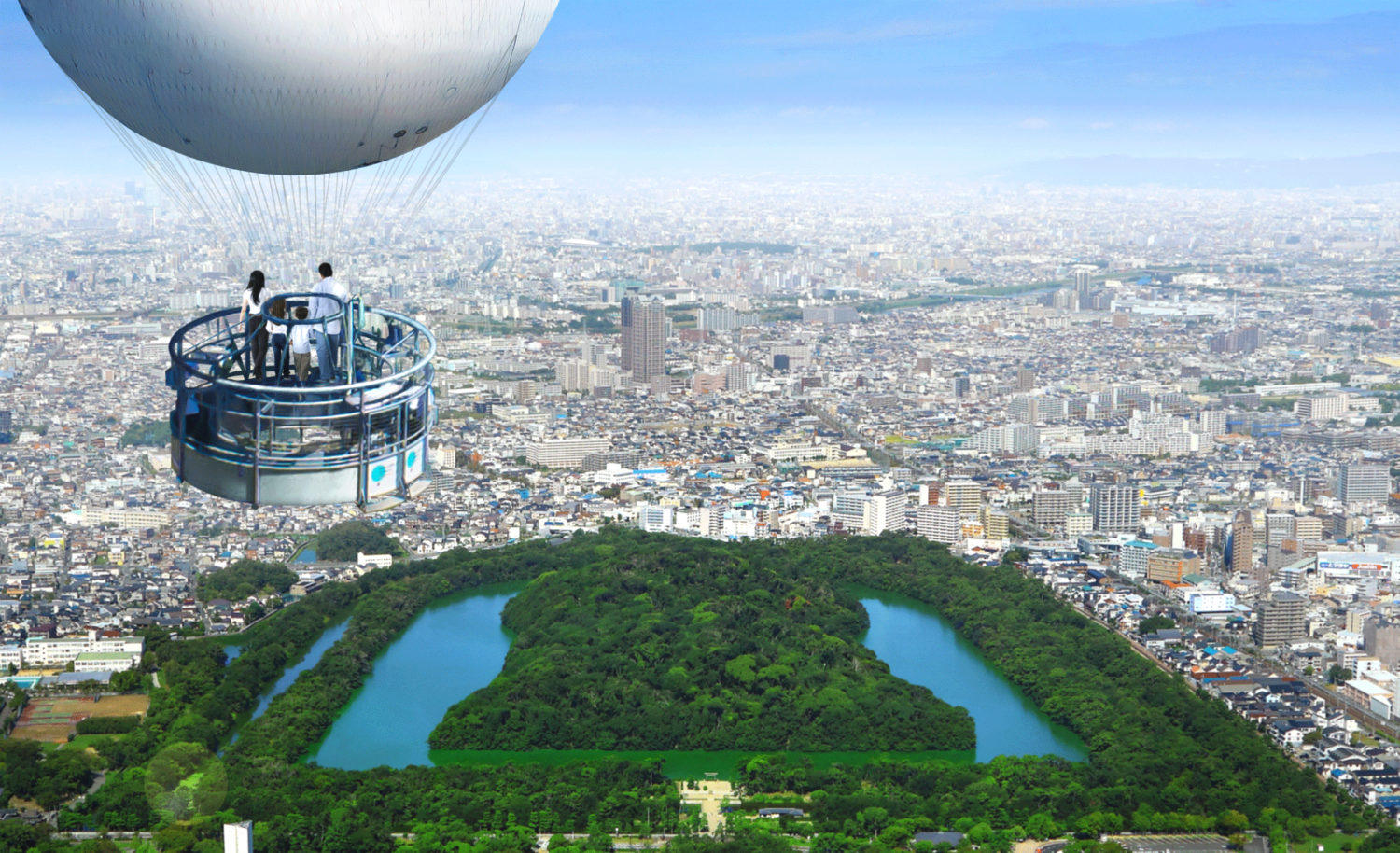
 A town with ancient tombs that can be enjoyed with all five sensesSouthern Area World Heritage Mozu–Furuichi Kofun Course
 -
 Once upon a time, Osaka was the sea! A journey back to ancient times on the Uemachi PlateauHistorical Tour
 -
 A trip to the era of "Big Osaka"Enjoy Construction / Art of the Kita area