





Tour the town where Abe no Seimei Shrine is located
Nagai Park is home to Yanmar Stadium Nagai, where many major sporting events have been held. The surrounding area is also known as "Showa-cho," where rows of Showa-era row houses line the streets. This is the town where Abe no Seimei Shrine, which has attracted attention from "Onmyoji" and "Abe no Seimei," is located.
-
START
OSAKA METRO Midosuji Line Nagai Station
-
10 minutes on footOsaka Municipal Nagai Botanical Garden

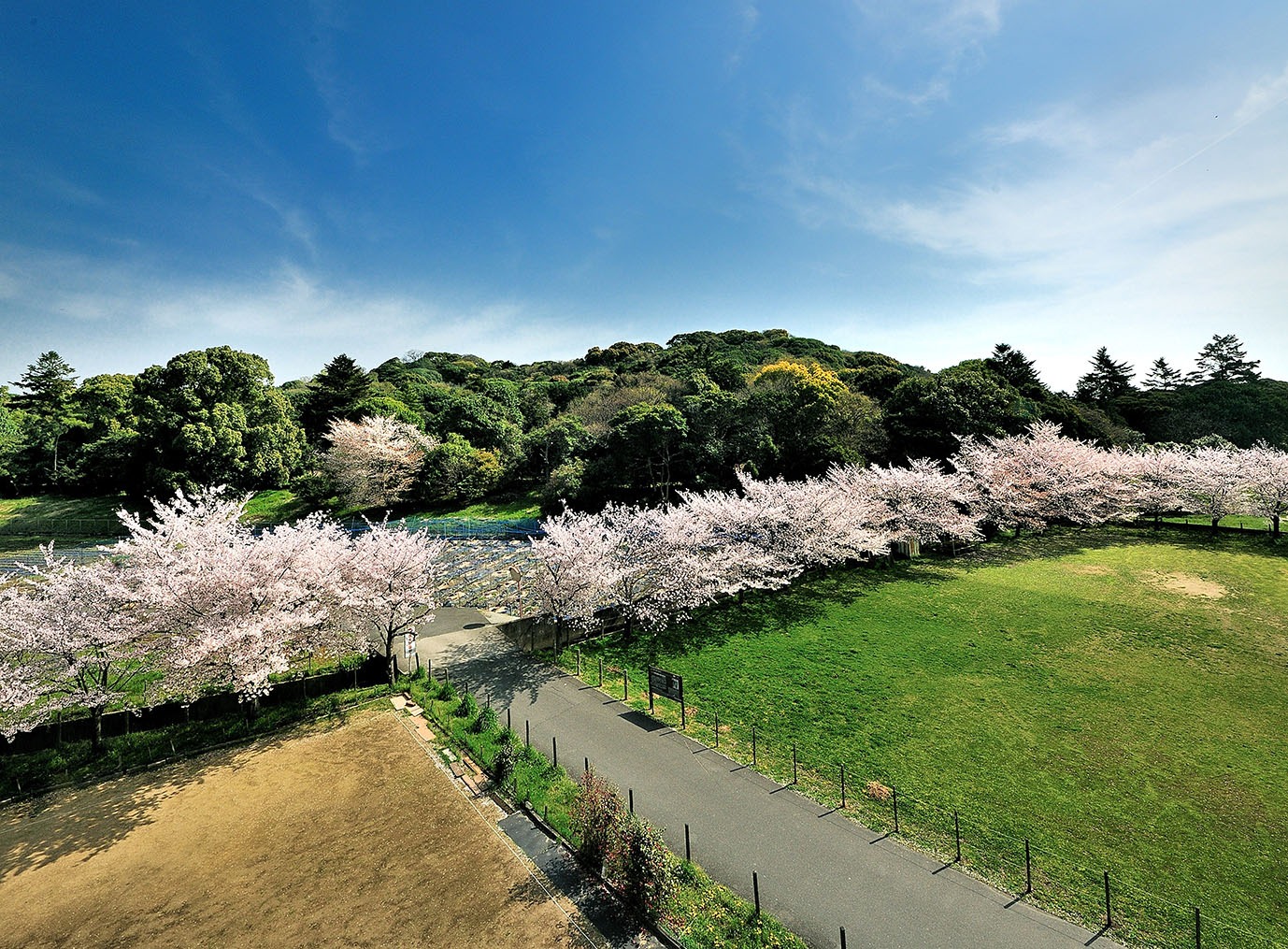
Nagai Botanical Gardens covers approximately 24.2 hectares in the southeastern corner of Nagai Park. You can enjoy a variety of flowers blooming throughout the year in the gardens. Mist falls from above the loofah tunnel shown in the photo, providing a moment of coolness. There are also approximately 1,000 species of trees that attract a variety of wild birds. The adjacent Osaka City Museum of Natural History provides easy-to-understand explanations of interactions with nature and the relationship between humans and plants. You'll be amazed by the impressive dinosaur models and mammoth replicas at the entrance.
Nagai Botanical GardensView the spot9:30-16:30 (entry until 16:00)
Adults: 200 yen, junior high school students and younger and those 65 and older: free (limited to Osaka city residents 65 and older)Osaka Metro Midosuji Line
6 minutes walk from Showacho Station -
Teranishi family Abeno tenement house

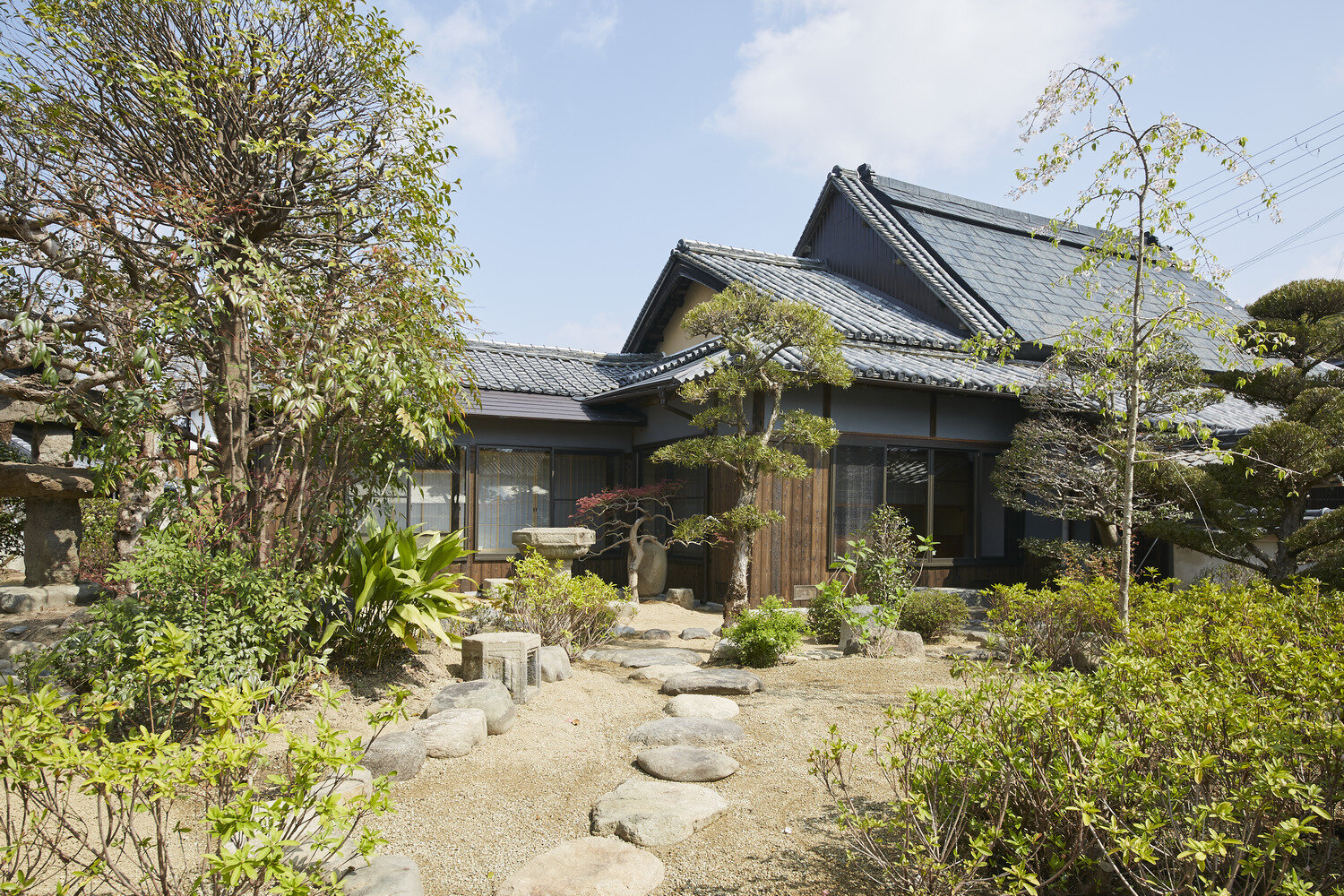
Just a five-minute walk from Showa-cho Station on Osaka Metro Midosuji Line, down an alleyway, you'll find the Teranishi Abeno Tenement House, which exudes the atmosphere of the early Showa period. Built in 1933, this two-story wooden tenement house with a tiled hip-and-gable roof and four detached houses is the only one of its kind in Japan to be designated a national tangible cultural property. Today, it thrives in the town as a gallery and serves Japanese, Western and Chinese cuisine. Dining in a room built before the war will bring back memories and fill you with nostalgia.
View the spot20-minute walk -
Abe no Seimei Shrine

A 20-minute walk from the Teranishi family's Abeno tenement house is the shrine dedicated to Abe no Seimei, said to be the most powerful onmyoji. Abe no Seimei Shrine is dedicated to Abe no Seimei, the onmyoji who became widely known to the public due to the "onmyoji" and "Abe no Seimei" boom that has even been adapted into novels, manga, movies, and TV dramas. It is also the birthplace of fortune-telling. The fortune-telling corner, which changes daily within the shrine grounds, is also very popular! There is also Seimei water on the grounds that is labeled "potable water," so be sure to try a drink.
View the spotA short walk -
Abeno Oji Shrine

Abe Oji Shrine is located 50 meters south of Abe no Seimei Shrine. The shrine is believed to offer blessings such as protection from evil, good health, and recovery from illness. There are three camphor trees on the grounds that are designated as preserved trees by Osaka Prefecture. In front of the main shrine, there is an illustrated guide that says, "How to pray: Two bows, two claps, one bow." Follow the instructions to pray in the proper way. After praying, why not try your luck and see if your wish will come true right away? The fortune slips here are written in English as well, so it's recommended for foreign visitors too!
View the spot -
Hankai Electric Tramway (Chin-Chin Tram)

If you want to experience the everyday Osaka, we recommend the Hankai Electric Railway. Osaka has a strong image of being "hurried," but this area is filled with nostalgic scenery where time seems to stand still, and the gentle sway of the train as it slowly rattles along is soothing and relaxing.
View the spotHankai Electric Tramway
Immediately after getting off at Sumiyoshi-Toriimae Station -
Sumiyoshi Taisha Shrine

After a 16-minute journey from Tennoji Station on the Hankai Electric Tramway to Sumiyoshi Torii Station, you will arrive at Sumiyoshi Taisha, the head shrine of the approximately 2,300 Sumiyoshi shrines across the country. This is the most popular shrine for New Year's visits in Osaka. The main hall is divided into four, and Sokotsutsuo no Mikoto is the god enshrined in the first main hall. The grounds include the Soribashi Bridge, over 260 large and small stone lanterns, and the Sumiyoshi Jindai Ki, designated cultural properties. There are over 20 subsidiary and subsidiary shrines, and many festivals and events are held, including the Natsugoshi Festival. Walking through the grounds of Sumiyoshi Taisha will soothe your soul. Here too, you should follow the proper procedures for worship. The main shrine's charms and love fortune are also very popular!!
View the spot - GOAL!