






Osaka local cuisine
-
 Udon (Udon Suki)
The appeal of Osaka udon is the harmony of its soft noodles and the dashi stock made from kelp and bonito flakes that gently complements them.
-
 Takoyaki
Takoyaki is a classic Osaka fast food that can be bought from food stalls and easily enjoyed on any street corner. Its history is surprisingly short, with stores only beginning to pop up around town in the 1950s.
-
 Osaka sushi
The most representative type of Osaka sushi is box sushi, a type of pressed sushi where ingredients are placed in a mold along with vinegared rice and pressed into a solid form.
-
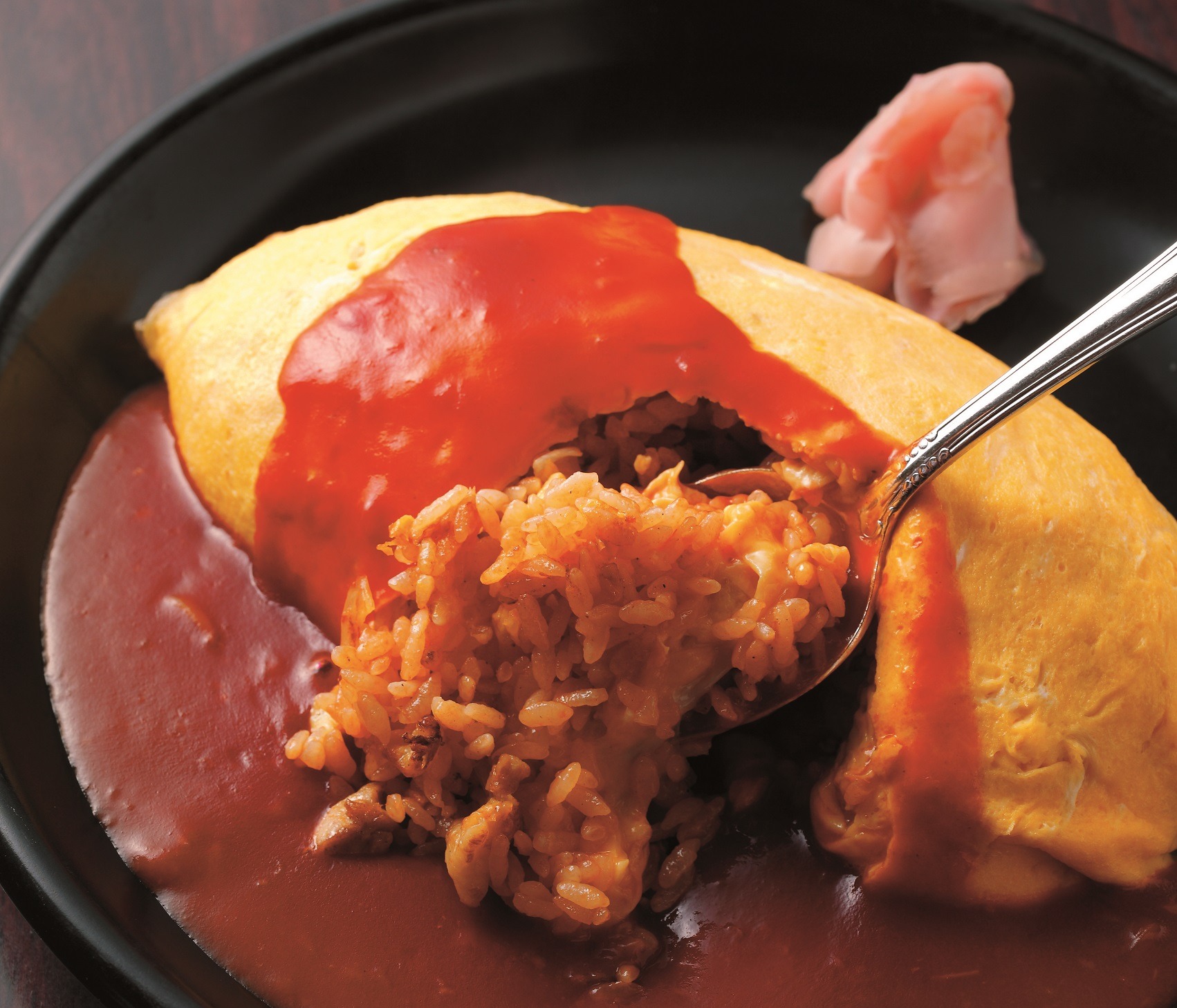 Omelette rice
The owner of the restaurant felt sorry for a regular customer with a sore stomach who had to eat omelets and white rice every day, so he wrapped ketchup rice in a thin omelet and served it to the customer, to his delight.
-
 Okonomiyaki
Along with takoyaki, it is a soul food for Osakans. It is also made by dissolving wheat flour in dashi, and cabbage is a must-have ingredient, with pork being popular, but as the name okonomiyaki suggests, you can add any ingredients you like. The batter is spread flat and round on a hot plate and cooked.
-
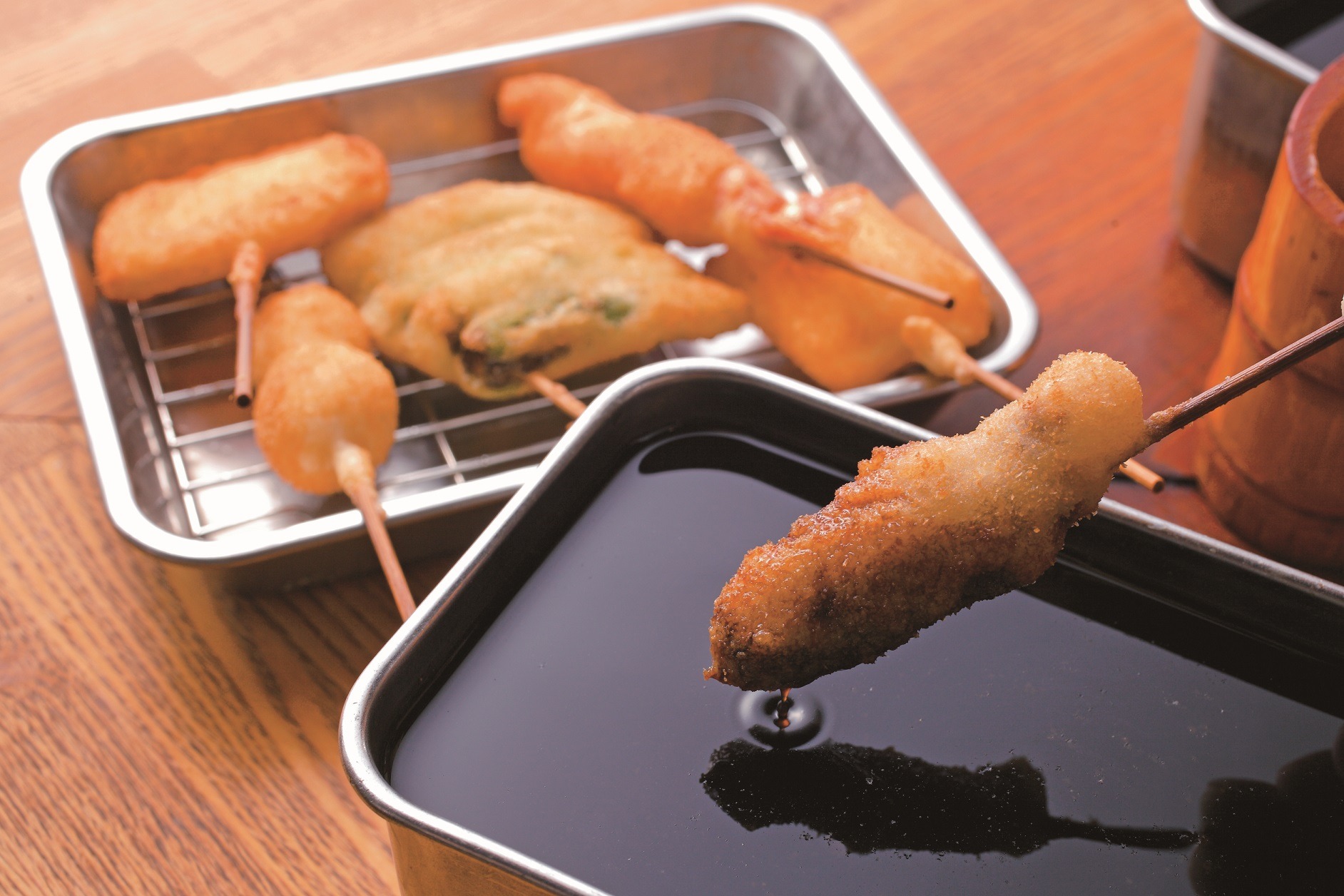 Kushikatsu
Osaka's famous kushikatsu is a dish that is famous for its "no double dipping" rule. Meat and vegetables are skewered, coated in a batter of water-dissolved flour and breadcrumbs, and deep-fried.
-
 Kappo cuisine
As the traditional Japanese restaurants that flourished during the Edo period began to fall into disuse and people began to demand more casual and enjoyable Japanese restaurants, the kappo style was born.
-
 Paper pot
The mysterious paper pot also originated in Osaka. Everyone would be amazed to learn that paper can be placed on fire.
-
 conveyor belt sushi
Small plates of sushi roll by on a conveyor belt, and customers can pick up the sushi they like and eat it on the plate. This casual, semi-self-service style with low prices and clear billing is popular with families and tourists alike.
-
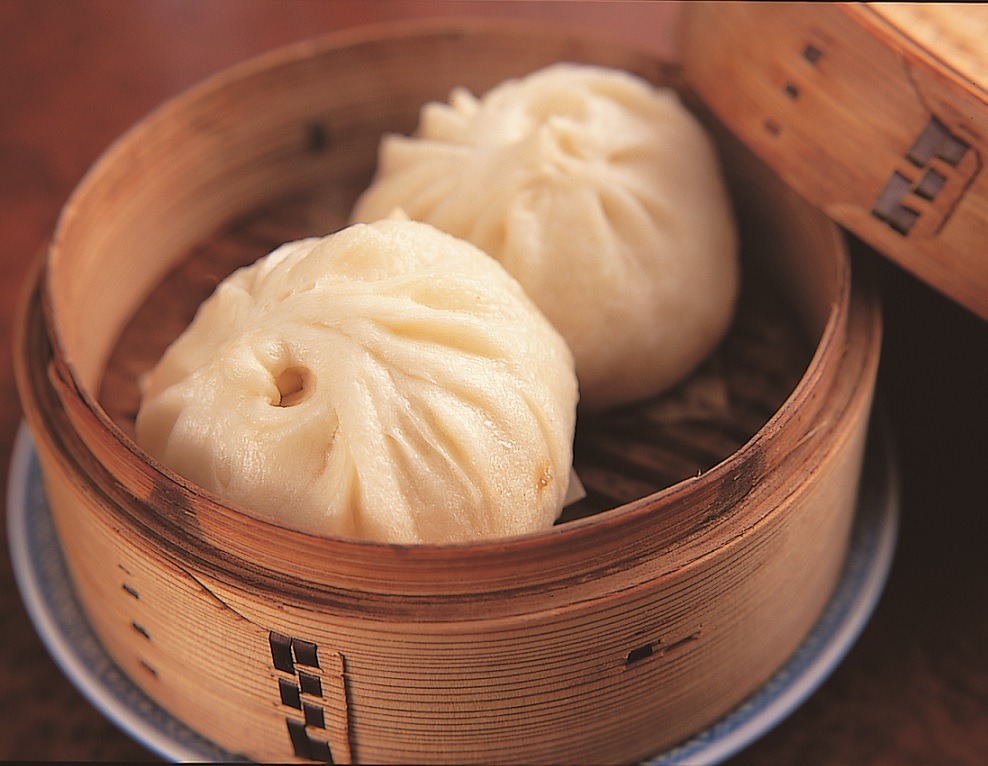 Pork bun
It is said to have originated after the Meiji Restoration, when Chinese buns were introduced to Chinatown and adapted to suit Japanese tastes.
Osaka's Food Attractions and Ingredients
-
 Malt Whisky Distillery
Japanese whisky, which is both delicate and powerful, has won numerous awards both at home and abroad and is now recognized worldwide. Suntory Yamazaki Distillery is Japan's first malt whisky distillery.
-
 Osaka Wine
There is also a winery with over 100 years of history, which produces wine using 100% locally harvested grapes.
-
 Seafood from Osaka Bay
Osaka Bay has long been blessed with an abundance of seafood, including not only fish such as sardines and sea bream, but also shrimp, crab, and octopus, and the fishing industry has flourished there.
-
 Osaka beef
Osaka, which has flourished as a food capital, is known as the "Kitchen of the World" and has developed as the center of Japanese food culture.
-
 instant ramen
More than 100 billion servings of instant ramen are consumed worldwide, but the first product was created in a small shed in the backyard of Momofuku Ando's home in Ikeda City, Osaka Prefecture.
-
 Naniwa traditional vegetables
There are still many traditional ingredients and dishes in the Kansai region that can be said to be the origin of Japanese food culture, and the most representative ingredients (vegetables) that originated in Osaka are the "traditional vegetables of Naniwa."
Enjoy Osaka cuisine!
-
 Yakiniku and Hormone
Yakiniku, a local specialty of Osaka, is starting to be recognized as a new staple gourmet dish among foreign tourists.
-
 ramen
ramenOsaka is home to many popular ramen restaurants, from long-established restaurants in Minami that are always crowded with tourists to famous restaurants that attract ramen lovers from all over the country.
-
 Department store basement
"Depachika" refers to the food section in the basement of a department store. Around 2000, it began to be featured more frequently on television and in magazines, sparking a "depachika" boom.
-
 curry
curryOsaka is known for having a wider variety of curry than other regions. There are chain restaurants and many independent restaurants, each offering unique curry with their own unique twist.
-
 Rooftop Beer Garden
When the sun shines brightly, colorful beach umbrellas are set up on the rooftops of department stores and in hotel garden spaces.