





conveyor belt sushi

Conveyor belt sushi has spread throughout Japan and even overseas. Small plates of sushi flow along a conveyor belt, and customers can pick up the sushi they like and eat it.
Its casual, semi-self-service style, low prices, and clear accounting make it easy for families and tourists to use, making it extremely popular.
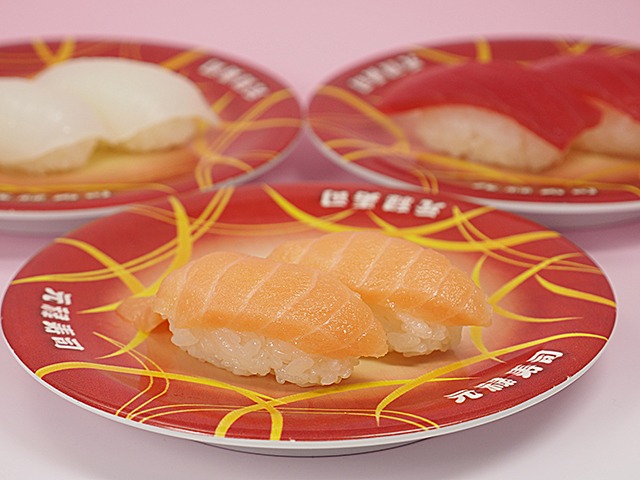
This "conveyor belt sushi" originated in Osaka. One day, the founder of Genroku Sangyo, who ran a small stand-up sushi restaurant in Fuse, Higashi-Osaka, visited a beer factory in Suita, Osaka Prefecture, where he saw bottles flowing on a conveyor belt and beer being poured one after another. The sushi restaurant was so successful that it would not be possible to make sushi after taking an order, so they would pile plates of pre-made shrimp, squid, octopus, and other sushi into a pyramid on the counter, and when an order came in, they would serve it. They were also struggling with a labor shortage, so they thought that using a conveyor belt would allow them to reduce the amount of work in the restaurant.
Fuse's area is home to many small and medium-sized businesses, and one of his regular customers was the manager of a steelworks, so he asked him to help develop the product. The biggest challenge in development was the corners, where the plates would not turn properly and would fall off. After much struggle, he finally completed the product after several years.

The first conveyor belt sushi restaurant, where a conveyor belt called a "rotating dining table" goes around the restaurant, opened in 1958.
It was a big hit with Osakans who love new and unusual things, and the number of stores increased. Its popularity skyrocketed when it was exhibited at the 1970 World Expo. Since then, conveyor belt sushi has become a nationwide fad, and it was instrumental in transforming sushi from a luxury item into an everyday delicacy for the common people.
Even today, the original Genroku Sushi is still in business throughout Osaka.
*Photo provided by Genroku Sushi
Other recommended gourmet foods
-
 Udon (Udon Suki)
The appeal of Osaka udon is the harmony of its soft noodles and the dashi stock made from kelp and bonito flakes that gently complements them.
-
 Takoyaki
Takoyaki is a classic Osaka fast food that can be bought from food stalls and easily enjoyed on any street corner. Its history is surprisingly short, with stores only beginning to pop up around town in the 1950s.
-
 Osaka sushi
The most representative type of Osaka sushi is box sushi, a type of pressed sushi where ingredients are placed in a mold along with vinegared rice and pressed into a solid form.
-
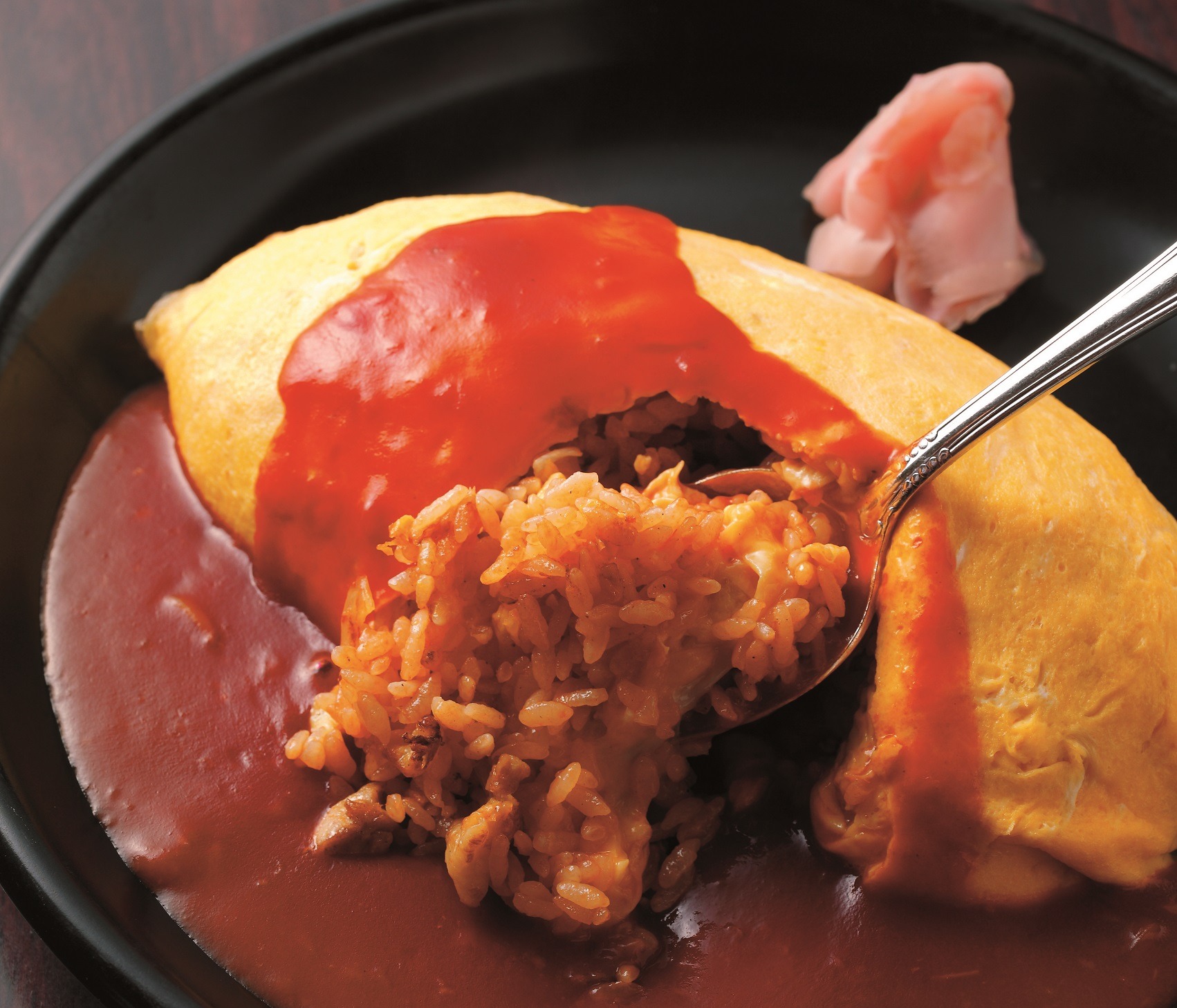 Omelette rice
The owner of the restaurant felt sorry for a regular customer with a sore stomach who had to eat omelets and white rice every day, so he wrapped ketchup rice in a thin omelet and served it to the customer, to his delight.
-
 Okonomiyaki
Along with takoyaki, it is a soul food for Osakans. It is also made by dissolving wheat flour in dashi, and cabbage is a must-have ingredient, with pork being popular, but as the name okonomiyaki suggests, you can add any ingredients you like. The batter is spread flat and round on a hot plate and cooked.
-
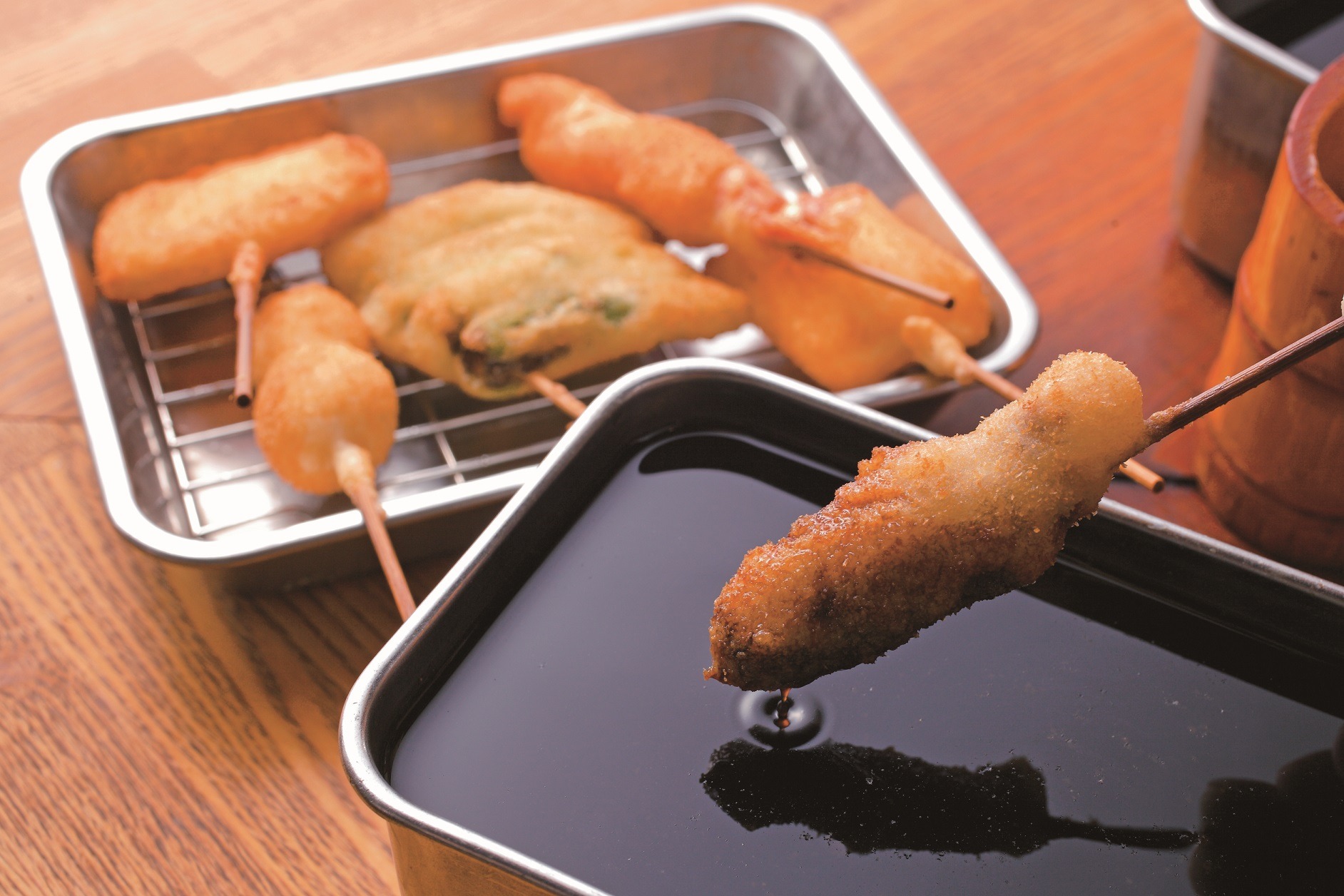 Kushikatsu
Osaka's famous kushikatsu is a dish that is famous for its "no double dipping" rule. Meat and vegetables are skewered, coated in a batter of water-dissolved flour and breadcrumbs, and deep-fried.
-
 Kappo cuisine
As the traditional Japanese restaurants that flourished during the Edo period began to fall into disuse and people began to demand more casual and enjoyable Japanese restaurants, the kappo style was born.
-
 Paper pot
The mysterious paper pot also originated in Osaka. Everyone would be amazed to learn that paper can be placed on fire.
-
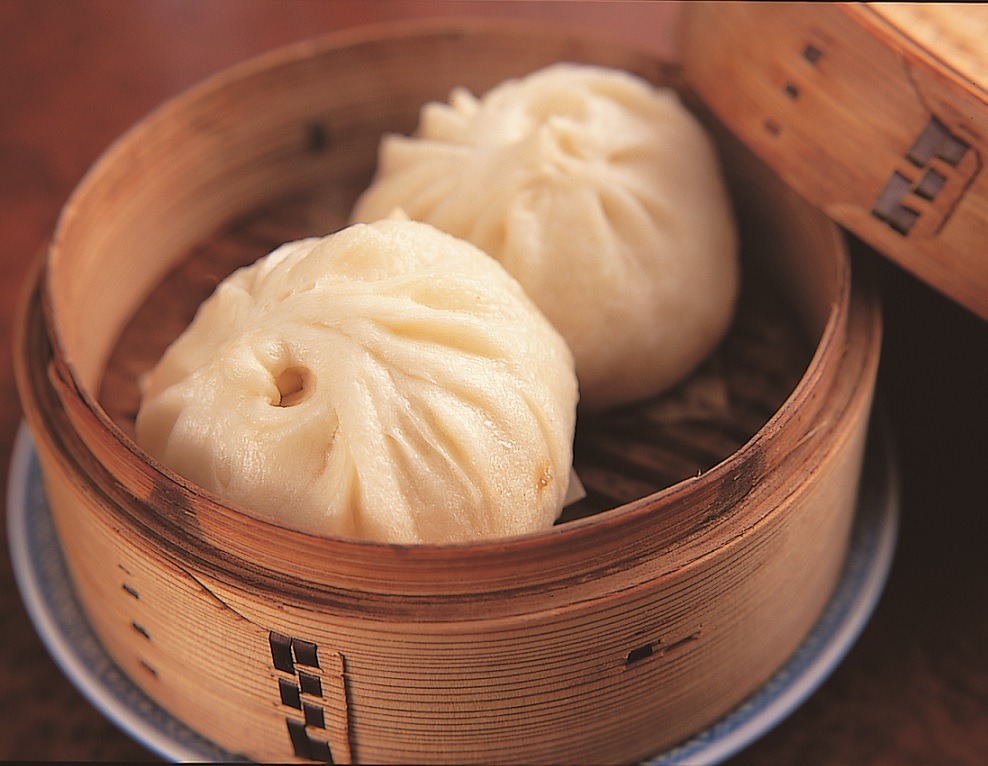 Pork bun
It is said to have originated after the Meiji Restoration, when Chinese buns were introduced to Chinatown and adapted to suit Japanese tastes.