






Osaka sushi

Tokyo sushi is nigiri sushi known as "Edomae." The representative of Osaka sushi is box sushi. It is a type of "oshizushi," in which ingredients are placed in a mold along with vinegared rice and pressed into a solid form. The sushi rice and ingredients are packed into a square wooden frame and pressed into a solid form. Watching the skill of the craftsman as he turns the wooden mold around and presses it into a solid form is a sight to behold.

Originally, it was made with common fish such as mackerel and horse mackerel, but box sushi made with high-quality fish such as sea bream and shrimp, and which was designed to look beautiful, appeared in the Meiji period and became popular, and has been passed down in various restaurants ever since.
Among boxed sushi, mackerel topped with pickled kelp is called "battera." The word comes from the Portuguese word for small boat. In Osaka, it is popular at local sushi restaurants and set meal restaurants.
It is easy to eat, colorful, and the ingredients and rice blend together perfectly in the mouth.It can be enjoyed as is without adding soy sauce, so it has become a popular dish to have during intermissions at the theater or as a souvenir.

Soft rice is suitable for Edomae nigiri sushi, but hard rice produced in Omi, near Osaka, is said to be best for box sushi.
The rice retains its moisture even after a while, so it's delicious to eat the next day as well. It's then cooked in kelp stock and seasoned with sugar and mirin.
The use of sugar, which has a moisturizing effect, is something that is unique to takeout sushi. This flavor has been loved in Osaka for a long time, so many restaurants now use sugar in their nigiri sushi too.

During the Meiji and Taisho eras, it was said that "Edo's nigiri sushi is Kamigata's box sushi," but the number of restaurants that can make box sushi, which requires time and skill, is decreasing. Nevertheless, the few Osaka sushi specialty shops still preserve and pass on the traditional taste by making box sushi, as well as stick sushi, rolled sushi, Kamigata chirashi sushi, and steamed sushi.
There are various theories as to when authentic Edomae nigiri sushi became popular in Osaka, including that it was after the Meiji Restoration or the Great Kanto Earthquake, but today nigiri sushi is made using ingredients from the waters around Osaka, and has been perfected to suit Osakan tastes, with many shops opening up.
Other recommended gourmet foods
-
 Udon (Udon Suki)
The appeal of Osaka udon is the harmony of its soft noodles and the dashi stock made from kelp and bonito flakes that gently complements them.
-
 Takoyaki
Takoyaki is a classic Osaka fast food that can be bought from food stalls and easily enjoyed on any street corner. Its history is surprisingly short, with stores only beginning to pop up around town in the 1950s.
-
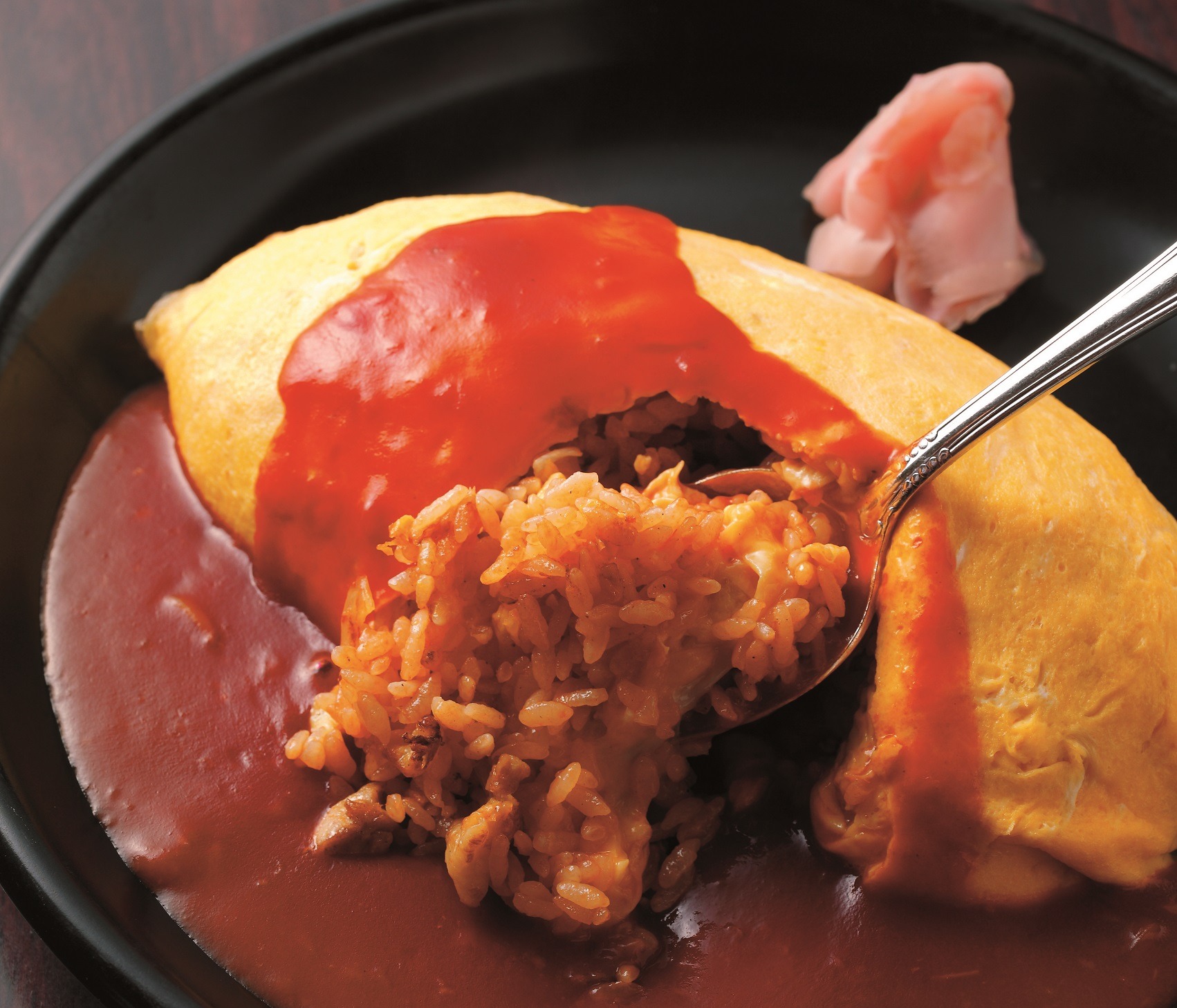 Omelette rice
The owner of the restaurant felt sorry for a regular customer with a sore stomach who had to eat omelets and white rice every day, so he wrapped ketchup rice in a thin omelet and served it to the customer, to his delight.
-
 Okonomiyaki
Along with takoyaki, it is a soul food for Osakans. It is also made by dissolving wheat flour in dashi, and cabbage is a must-have ingredient, with pork being popular, but as the name okonomiyaki suggests, you can add any ingredients you like. The batter is spread flat and round on a hot plate and cooked.
-
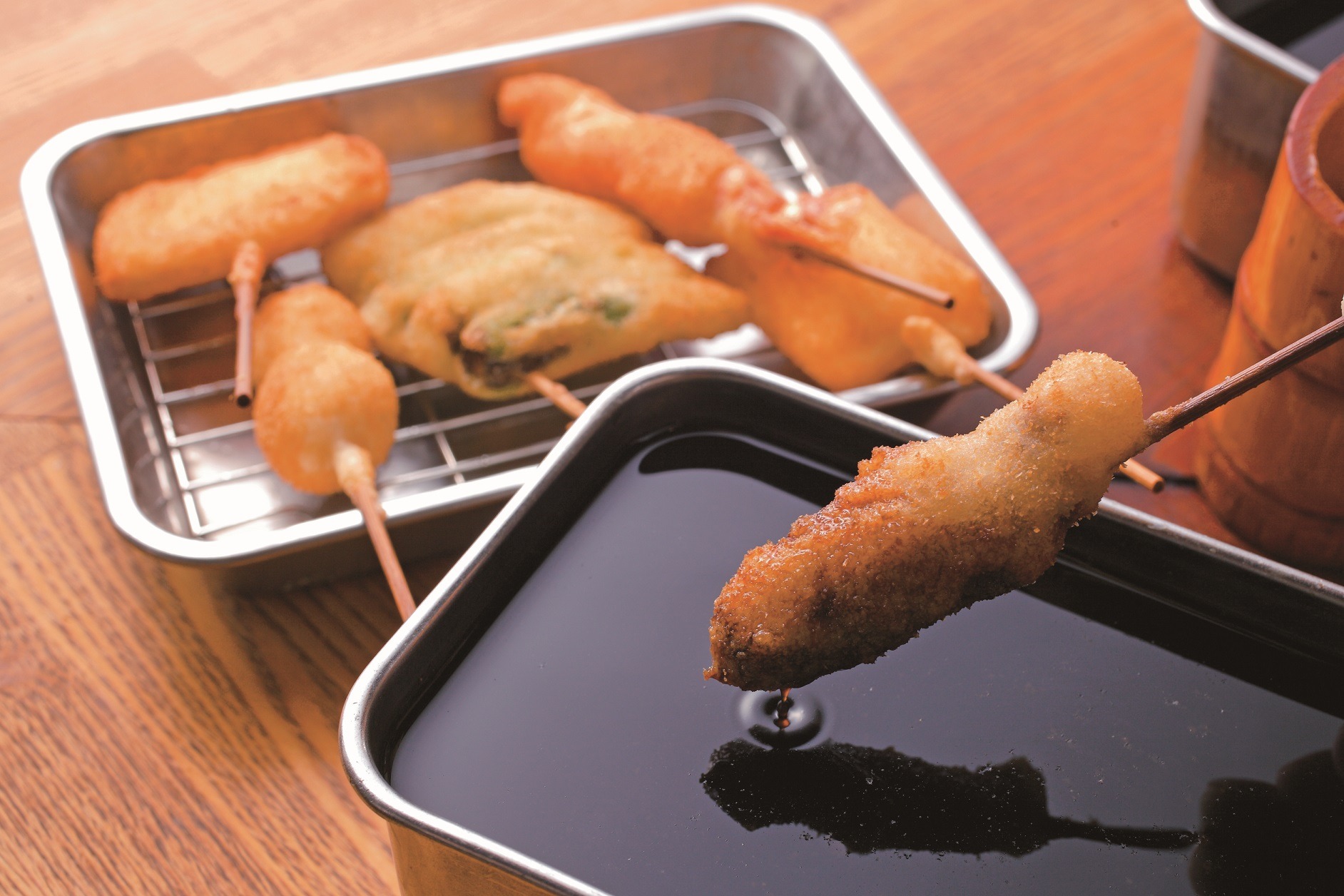 Kushikatsu
Osaka's famous kushikatsu is a dish that is famous for its "no double dipping" rule. Meat and vegetables are skewered, coated in a batter of water-dissolved flour and breadcrumbs, and deep-fried.
-
 Kappo cuisine
As the traditional Japanese restaurants that flourished during the Edo period began to fall into disuse and people began to demand more casual and enjoyable Japanese restaurants, the kappo style was born.
-
 Paper pot
The mysterious paper pot also originated in Osaka. Everyone would be amazed to learn that paper can be placed on fire.
-
 conveyor belt sushi
Small plates of sushi roll by on a conveyor belt, and customers can pick up the sushi they like and eat it on the plate. This casual, semi-self-service style with low prices and clear billing is popular with families and tourists alike.
-
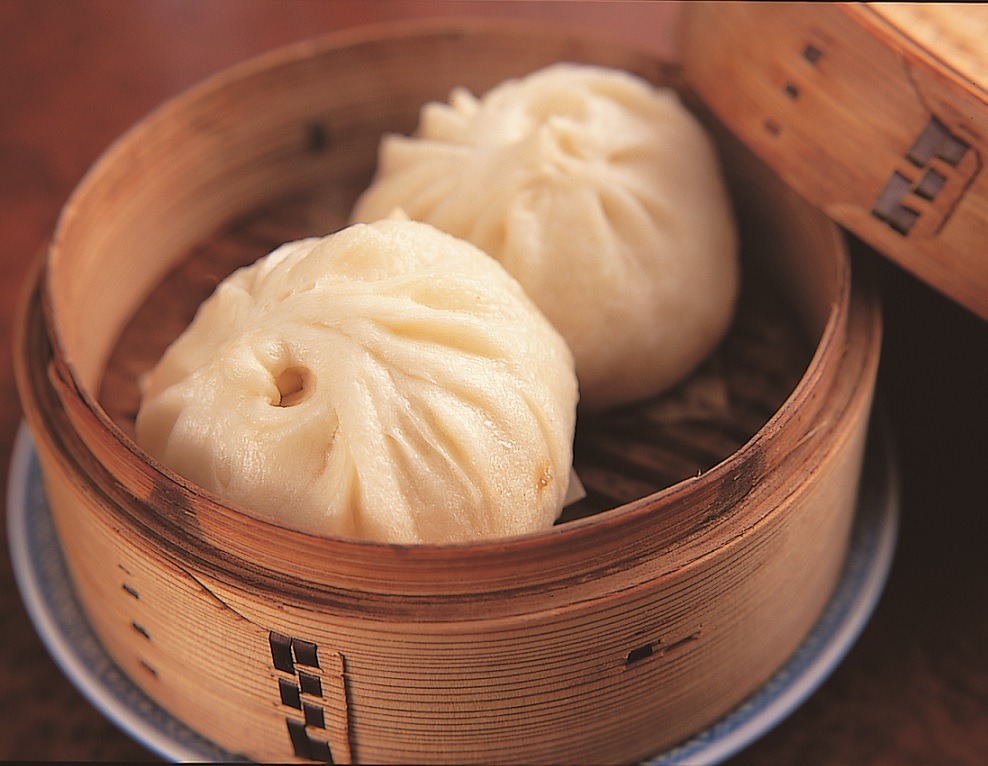 Pork bun
It is said to have originated after the Meiji Restoration, when Chinese buns were introduced to Chinatown and adapted to suit Japanese tastes.